Activity Reviews in Dordogne — 7 of Our Favourites

Read reviews of the best Dordogne activities

One of the most unusual sights in the Dordogne is Maison Forte de Reignac, a half house, half troglodyte cave dwelling set into the cliffside close to the town of Tursac.

Find loads of top tips and local insights in our Dordogne Sights Reviews.

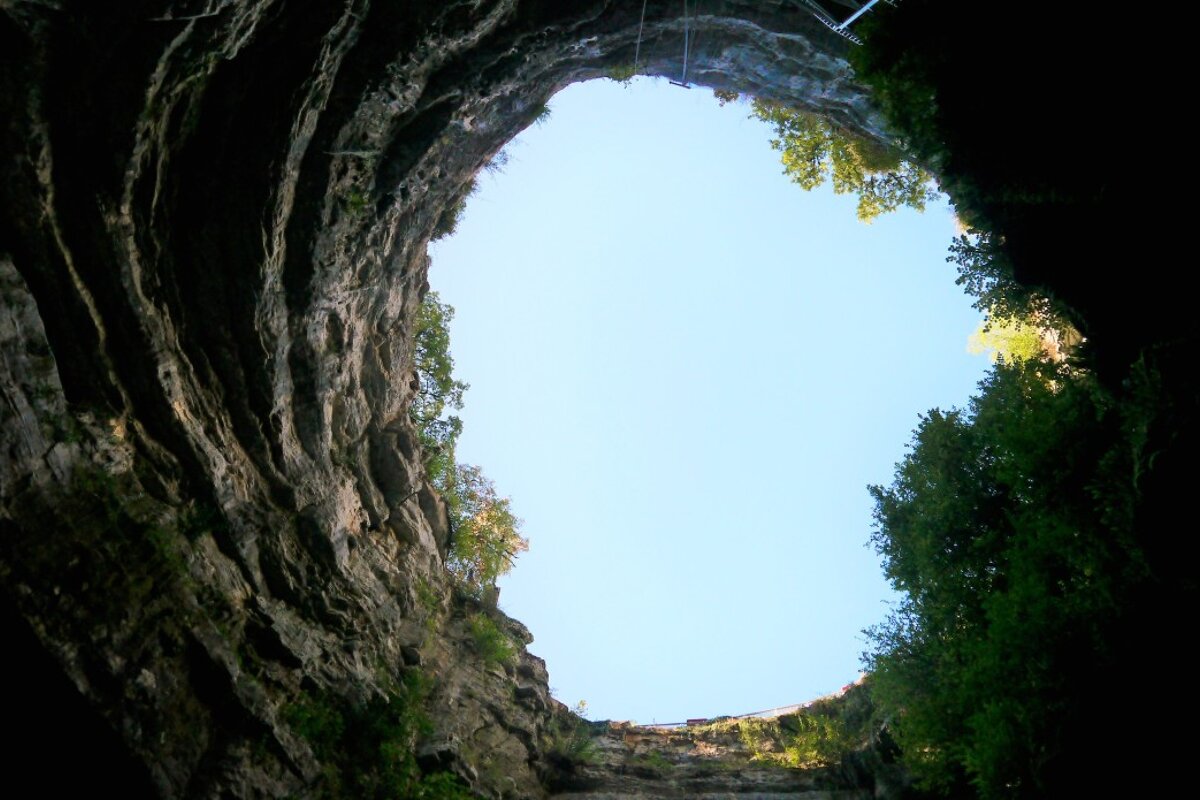
a view from the bottom of the chasm, looking up

1. Visit to Gouffre de Padirac cave

Even in September the temperatures in the Dordogne can reach a toasty 32 degrees, so a trip to a cave offers some welcome respite from the sun's strong rays. Descending into the darkness and to a constant 13 degrees was just what I needed...

Arriving just for the Gouffre de Padirac cave opening at 09:30 one September morning, I was surprised at how few cars there were in the car park. I'd heard stories of the horrendous queues and been advised to buy a ticket in advance of my trip. After half an hour I understood what they were talking about. This is certainly one of the most popular caves in the area and once you enter, it becomes clear why!

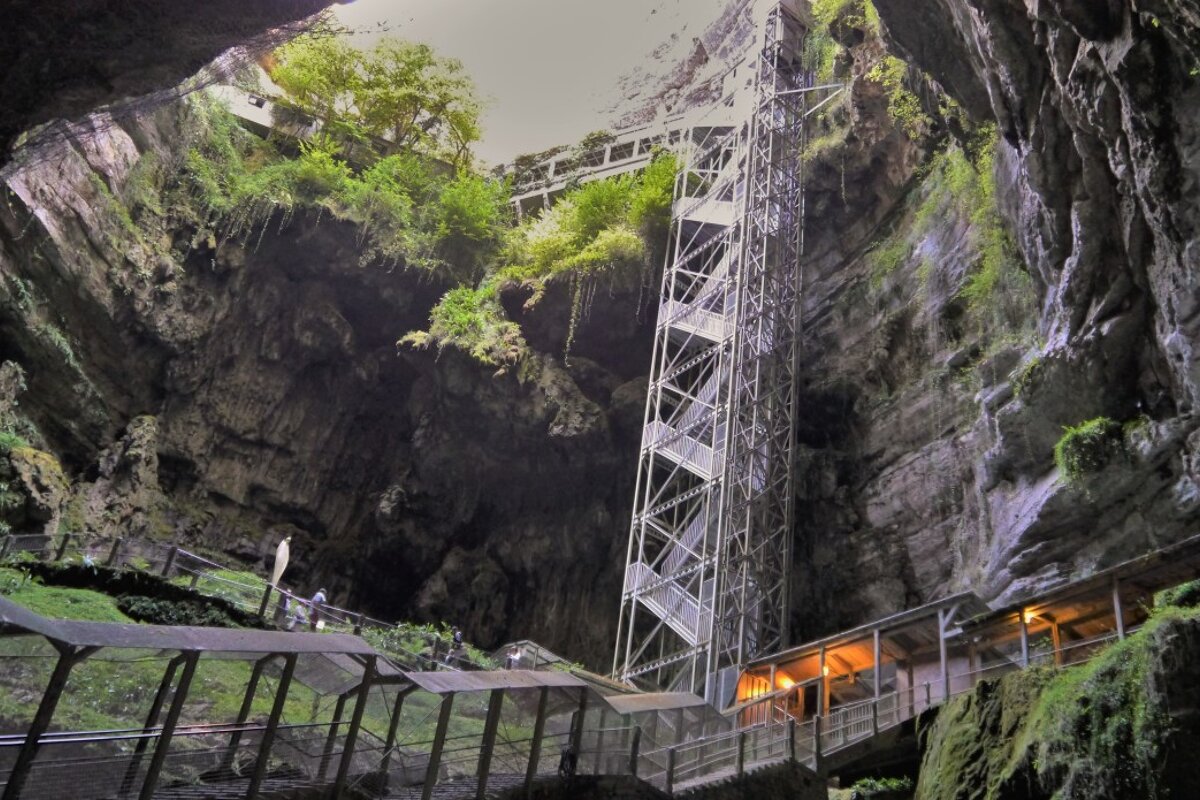
the gaping chasm of the Gouffre de Padirac


Although you don't need to pre-book out of high season we would definitely recommend that you book online during the busy months of July and August. There is a separate queueing system for those who have pre-booked and you can turn up at your allotted time, allowing plenty of time to enjoy a coffee or refreshing ice cream.

At the ticket desk I was advised that the tour would be in French but that I could ask my tour guide to explain things to me in English. A small booklet with an English description of the tour route was also available. If you are booking for a group or a VIP visit then you can request your tour in another language and they will try to accommodate you.

From the outside the Gouffre de Padirac is a gaping chasm in the ground, reaching down some 75m. This was once an immense underground chamber but due to erosion the ceiling eventually collapsed. Luckily for us it is now a particularly impressive entrance to a subterranean world. Descending the metal steps down into the chasm you can feel the air changing temperature and the moisture building. The cave is at a constant temperature of 13 degrees and is fairly damp with a few puddles so a jumper and some decent footwear is advisable.

the chasm of the gouffre de padirac fromt he bottom


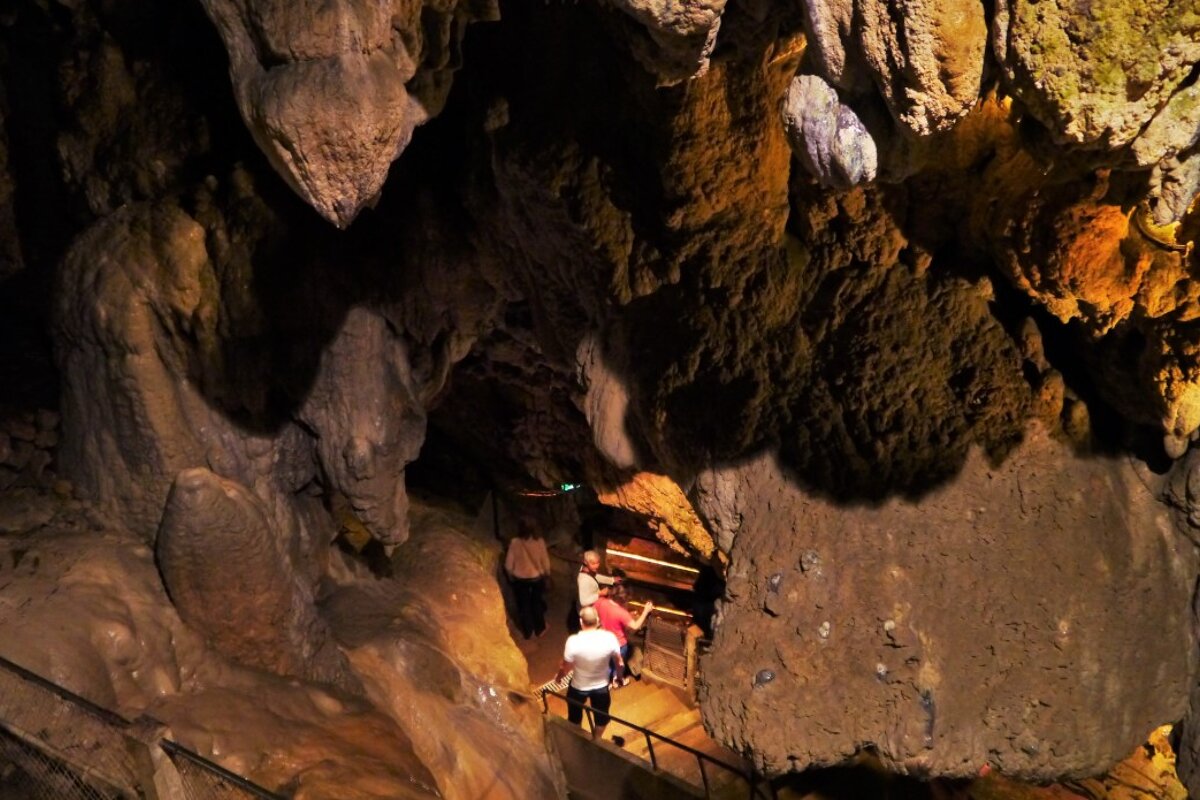
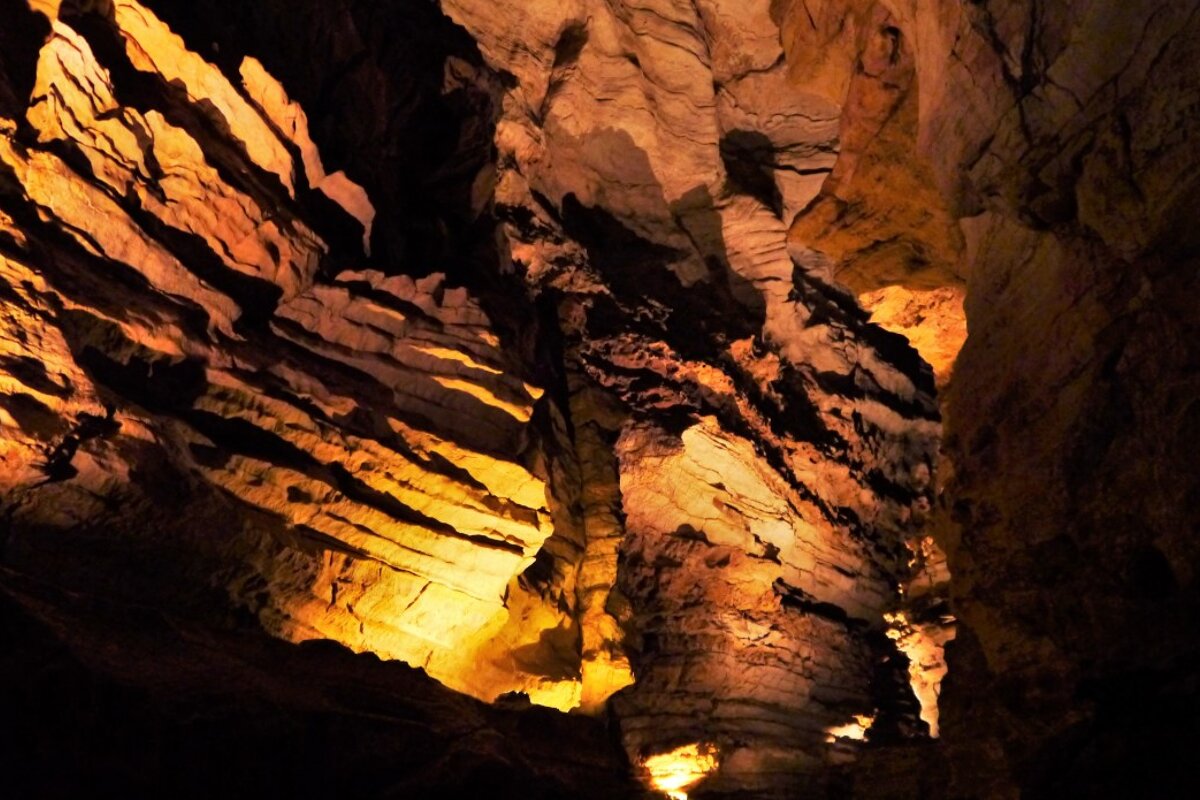
The first part of the tour takes you down some more stairs and into the cave itself, past calcified formations and through passageways of amazing rock formations. Certain areas are lit up to give you a better sense of this magnificent underground world.

the steps leading down into the actual cave of the gouffre de padirac


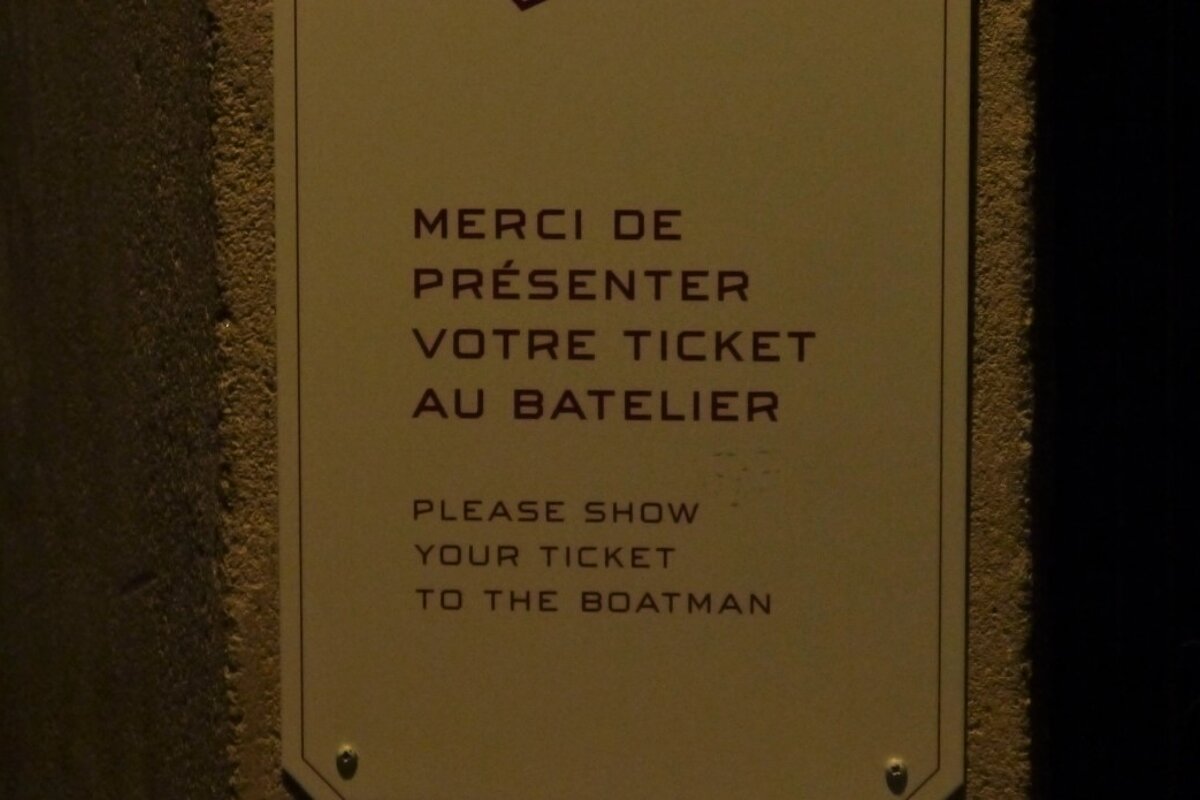
Once you are 103 metres underground you reach a strange sort of jetty with small flat-bottomed boats that reminded me of the gondolas of Venice - with a little less glamour! In fact the sign here says 'Please show your ticket to the boatman' and I couldn't help but think of Greek mythology and the boatman who carries souls of the newly deceased across the rivers...

please give your ticket to the boatman sign in gouffre de padirac


In groups of eight you board the boats and the real tour begins. The boatman begins his description of the cave, the river and your general surroundings as you wind your way along the river and into the unknown. After 5-10 minutes you reach a small lake where you disembark and begin your walking tour with a sperate guide.

No photography is allowed in this part of the cave...and to be honest if I'd known what was coming it would've ruined the surprise! You are led past stalactites that have reached down an incredible 75 metres and are still growing and into chambers that rise up 94 metres above your head. Here we are told that only 9 metres of rocks separates us from the world above and you can finally understand why the first chasm collapsed. There is absolutely no sign in the landscape above of this incredible subterranean world below.

After exploring 1100 metres of the network of caves, caverns and calcium formations we reach the turning point of our tour and make our way back to the harbour by a slightly different route. It's a fairly strenuous hike up and down stairs so be prepared that this isn't a simple stroll along the river. So far around 42km of the underground passages and rivers have been explored but there is still plenty more to discover.

There are actually two nights a year reserved for special night time explorations and if I was planning this trip again I would be tempted to reserve this unique experience. The chance to delve deeper into the caves, along the river and to see what other tourists have missed is certainly a huge draw! This year it was the 22nd July and the 20th August.

Having discovered the caves, the lakes, the rivers, the rock formations and a little of the history of the man who discovered them, Edouard-Alfred Martel ('father of modern speleology' and a world pioneer of cave exploration, study, and documentation), you return to the harbour and board a boat back to the entrance. I felt that €12 was very reasonable for the hour long tour through some dramatic subterranean scenery, two guides and two boat trips - it's a trip that I'd highly recommend!

Rock formations within the cave of gouffre de padirac


Sadly, at the end I had to ascend the steps back up the surface - yes, all of them. Sweating by the top as I returned to the 30+ degree heat of the surface. There is a lift that seems to take a maximum of six people and didn't appear to be running very frequently - hopefully that's a bit different in the busy summer months!

looking through a hedge to chateau de losse

2. Guided tour of Chateau de Losse near Montignac

Location
Montignac

On a slightly drizzly in September, a visit to a chateau is the ideal way to escape the gloom and delve into the past of this wonderfully historic area of the Dordogne.

Situated down a tree line drive between the towns of Montignac and Thonac the Chateau de Losse is a private residence and a beautifully kept chateau filled with history, manicured gardens and original features. With plenty of free parking there is really no excuse to stop off here and enjoy a guided tour and a good look around the grounds.

Although the day was dull, the lush moss and greenery that surrounded the chateau and the old moat were glowing against the typical honey-coloured stone that is used for so many of the buildings across the Dordogne region. As I entered through the main gate I was given a guide book in English (they are also available in Spanish, German, Dutch, Russian etc) that would accompany me on the self-guided tour of the grounds and also on the guided tour of the building. During high season the guided tours are available in different languages as several of the guides speak English and/or Spanish, but during my visit the tour was only available in French so the booklet was essential.


There are regular guided tours throughout the day and each one is signalled by the ringing of the gatehouse bell. You are free to wander through the grounds until you hear the bell and then you make your way to the gatehouse and await your guide. I was worried as I walking around that I would miss the bell, but to be honest, you can hear it everywhere and they give you plenty of time to get back to the main gate so no need to rush!


The book leads you around the external walls, moat and down to the river, explaining the various reasons for the different buildings and towers that are visible. Once inside the gatehouse of the chateau you can continue the tour around the gardens and of a few outbuildings that house some rather unusual rooms. The main turret to the left as you enter has a bedroom and bathroom and appears to be some kind of day room or guest quarters. The idea of staying in a turret like this, after passing along the rose-lined path, seemed rather romantic to me... Until that is, I discovered the cellar in the basement.


There are lights leading you down the set of stairs into the darkness and as I descended I was intrigued as to what I might find...the answer was a lot more darkness! So much in fact that I kind of freaked out and decided to make a hasty retreat up the stairs into the daylight.


After a quick trip around the garden I heard the bell and made my way to the main gate. This fortified gatehouse is, in fact, the largest of it's kind in Europe and is certainly an impressive nad imposing structure. The tour begins on the upper floors of the chateau with the history of the Losse family who came from Flanders in the 11th century and subsequently built a stronghold on the right bank of the Vézère.


The guide was enthusiastic and very knowledgeable, and I managed even with my basic French to pick up some of the more interesting features that she was explaining. One thing in particular that struck me was the stone flooring in the upper reception room; very small stones set out in a geometric pattern that was very popular in the Perigord region, but unusual to be seen on the second floor due to the sheer weight of the floor. I went on to see many examples of this kind of flooring throughout my time in the Perigord.


Another treat was seeing the examples of Van Dyck and Rubens sketches that the family own. The guided tour continued through the armoury, bedroom, dining room and eventually onto the terrace at the rear of the chateau that overlooks the river. The tour lasts about 45 minutes but the guide was happy to answer any questions as we travelled through the chateau and was available after as well for people to delve a little deeper into their areas of interest.


This was definitely a few hours well spent and a lovely opportunity to see and explore a more intimate chateau in the Dordogne region. There is also plenty to entertain younger children here with the gardens, labyrinth trail and treasure hunt to enjoy. The guided tour may be less interesting for young children but I can guarantee everyone will enjoy seeing the secrets of the armoury at Chateau de Losse.

Shop at lascaux caves

3. Lascaux - a trip back in time

Location
Montignac

I'm not entirely a history buff but when you are in the Dordogne you really do have to at least try and see some of the pre-historic art that litters this region.

Lascaux is perhaps one of the best-known examples in the country...and I say this because I had actually heard of it before I visited, so it must be well-known. Initially confused by the references to Lascaux and Lascaux II I quickly worked out that the original cave, Lascaux, is not actually open to the public, and that Lascaux II is a reproduction of the cave and offers a guided tour to discover more about the artwork, the discovery and the making of this amazing replica.

As I drove from the town of Montignac a kilometre or so into the forest I passed some other buildings works. They are in fact, in the process of building Lascaux IV (Lascaux III was a travelling international exhibition), which will be the International Parietal Art Centre, showcasing a complete replica of the original cave amongst other scientific discoveries and findings.

Until it opens it's doors the smaller cave replica of Lascaux II is where you mneed to go. One drizzly September morning I decided that an indoor activity was necessary and lucky there are plenty to be had in the Dordogne region. Arriving at Lascaux for the cave opening at 09:30 there were already plenty of cars in the car park and a queue at the ticket desk. You can actually buy your tickets in advance online and even out of season I would suggest that this is a good idea. You will be given a time slot which means that you can make the most of your day without arriving at the caves, only to discover that you have to wait for your time slot that is in two hours.

Another bonus to booking in advance is that you can choose which language you want for your guided tour. When I arrived I was given a slot of 10:20 (having arrived prompt at 09:30) and there were no English tours available until late afternoon. With a basic knowledge of French and having already enjoyed a couple of Chateaux tours in French, I decided to chance my luck.

There is not much to do in the immediate vicinity of the cave. Surrounded by lush forest there were at least places to shelter from the rain, but the gift shop is the only real place to spend any amount of time whilst you wait for your time slot.

The tour itself once you enter the cave is intimate and led by one of the enthusiastic guides. There is so much information to take in and absorb that I found myself in awe and even a little overwhelmed during the visit. The guide was happy to answer questions and was extremely knowledgeable about the caves and the paintings, transferring his passion to the crowd. I do think, however, that I might have gotten more from the tour in English so please do check in advance if you can take the tour in your own language.

The cave replica is incredibly realistic and depicts only a portion of the actual cave. The colours are vivid and the drawings are so intelligent that it is hard to imagine how old they actually are. Some are of mythical creatures, other pre-historic mammals and in some cases the images look less like a story or a depiction of sorts and more like some kind of decoration.

The space is surprisingly small, the corridors are narrow and all surfaces seem to be covered with images. It does make you wonder how they originally found these caves and how they managed to get enough light in to do the drawings. The last section in particular is a bit narrow and we had to gather together quite closely to hear what our guide had to say.

When I emerge back out into the light at the end of the tour it was quite a surreal feeling. I felt as though I had travelled back in time for the briefest of periods and it took me a little while to digest what I had just experienced. I decided to buy an English guide book from the shops so that I could read it later and learn about things that I missed due to the language barrier.

The Lascaux II cave is certainly an impressive reproduction and well work the time to visit. However, I would defintitley advise booking in advance (which you can do online) and booking the tour in your own language wherever possible.

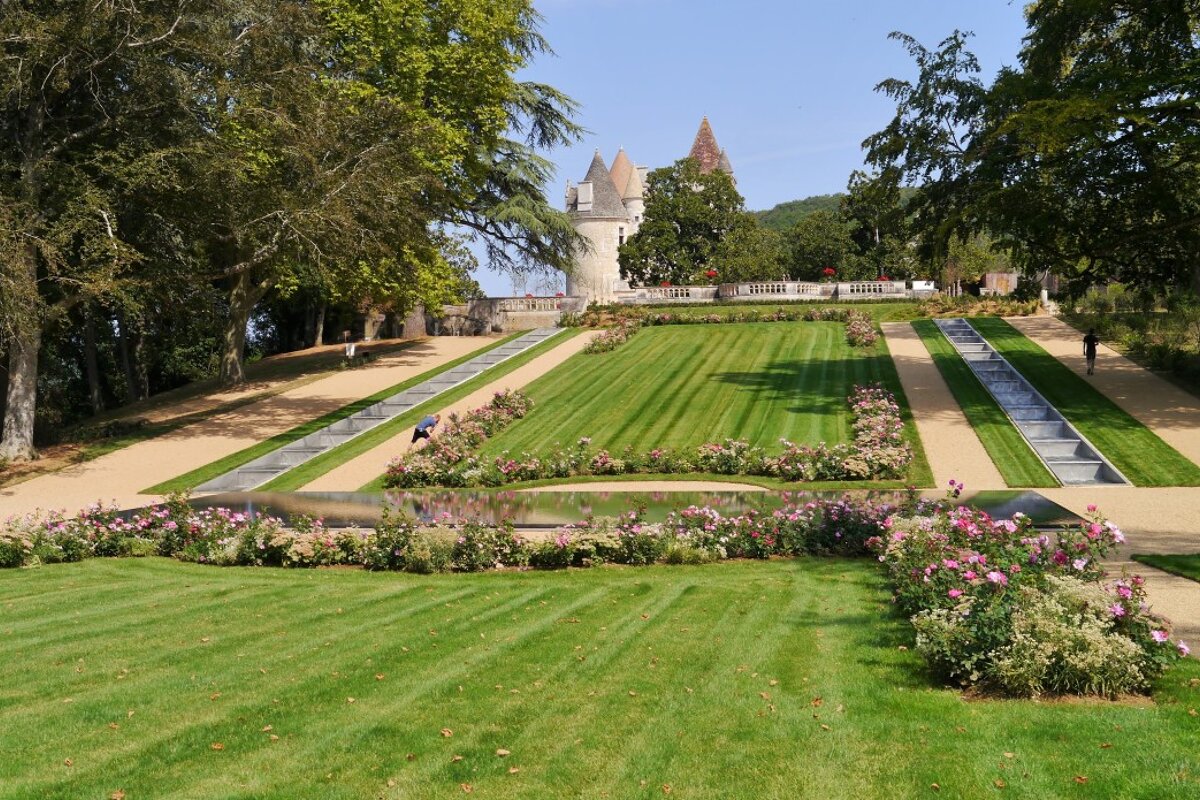
exterior & garden of chateau des milandes

4. Chateau des Milandes - the fairytale castle

Location
Beynac-et-Cazenac

Everyone is looking for something different from their chateaux visits but for me this was by far my favourite trip in Dordogne...intriguing history (of a more recent variety), stunning gardens, a bird of prey show and great tea-room!

Chateau des Milandes is one of the few chateaux that offer an audio tour of both the building and the grounds, and due to the rather different and interesting history of the chateau, its former owner, the town and the newly designed gardens I would certainly recommend spending the extra €3 for this service.

Visiting in September I found the car park rather quiet and no queue at the ticket office, but with the flowers of the garden still in bloom this was a definitely a good time to visit. I started the tour as instructed by my audio guide in the upper gardens and quickly moved on to the chateau itself. Sadly you aren't allowed to take pictures inside the chateau so you'll just have to try and imagine the sumptuous furniture and outfits that once belonged to the former owner...or visit yourself to find out!


The audio guide tells you all about the life of Josephine Baker - an African-American singer and entertainer, whose career flourished in her adoptive country of France. In her early career she was also renowned as a dancer, and was among the most celebrated performers to headline in the lavish revues of the Folies Bergère in Paris. Having rented this chateau for several years she eventually bought it and began creating her own 'World Village'. This was the first form of tourism to be seen in the area with a swimming pool, mini golf, a dance hall and gardens of the chateau. A tiny village of sorts (post office, shop, farm etc) sprung up around the chateau that is still in existence today.

This trip back in time not only takes us through the dance hall and jazz era of the 1920s & 30s but also back to the 2nd World War where Josephine worked for the French resistance. The rooms are set up much as they would've been when she lived there with her 12 adopted children - often referred to as 'The rainbow Tribe' as they came fro all different cultures and nationalities.

Josephine baker, her husband & some of her adopted children


Once your tour of the building is complete the audio guide leads you out into the garden to learn more about the unusual design that has been recently commissioned but once again reflects the chateau as it once was and pays homage to the original ideas and creator. Winding you way past box hedges and rose bushes you can find some respite from the strong sun in the forest and there are a few benches where you can sit and enjoy the sights and sounds of this pretty estate.

looking back up to the chateau from the gardens of chateau des milandes


Your tour of the garden finishes as you come to the cages that house the birds of prey. An impressive collection that forms the raptor show that takes place at certain times throughout the day. If you have arrived early then it is worth waiting for this show as it is spectacular and you might even get the chance to have one of the birds land on your arm.


I finished up my trip to the castle with a coffee and cake at the restaurant. The old winery has been converted into a brasserie that can seat over 100 people for lunch. The menu is full of Perigord favourites, such as foie gras and duck pate, but I opted for the traditional 'cafe gourmand' - a coffee and a selection of mini cakes. Not a bad way to round off the tour!


Entry to the Chateau des Milandes is 11€ I think you get quite a lot for your money here. I would highly recommend the audio guide to make the most of your trip and the extra few euros is worth it. Acces is fairly easy as there are plenty of signs directing you from the nearby town of Castelnaud-la-Chapelle, and the car park has plenty of space (this could change during high season). Disabled parking is provided.

View of st emilion from the wine train

5. Taking a tour on St Emilion's wine train

Location
Saint-Emilion

Only having time for an afternoon in St Emilion I was pleased to discover the Train des Grandes Vignobles which could take me around the region...without me even having to take a step.

I checked the times at the ticket booth and booked my place in advance, allowing me a couple of hours to explore the town first. The train departure point is just outside the main entrance to the town, at the parking Villemaurine and is easy to find. The grass area opposite offered some much-needed respite from the hot sun as I waited for my allotted departure time.

The train started filling quickly with people of all ages and nationalities. I took a seat to one side ti get the best of the view and arranged the headset ready for the commentary. It is available in many different languages so you are sure to find one to suit. The tour began rather swiftly as we left the car park, with the first winery being just a few metres down the road.
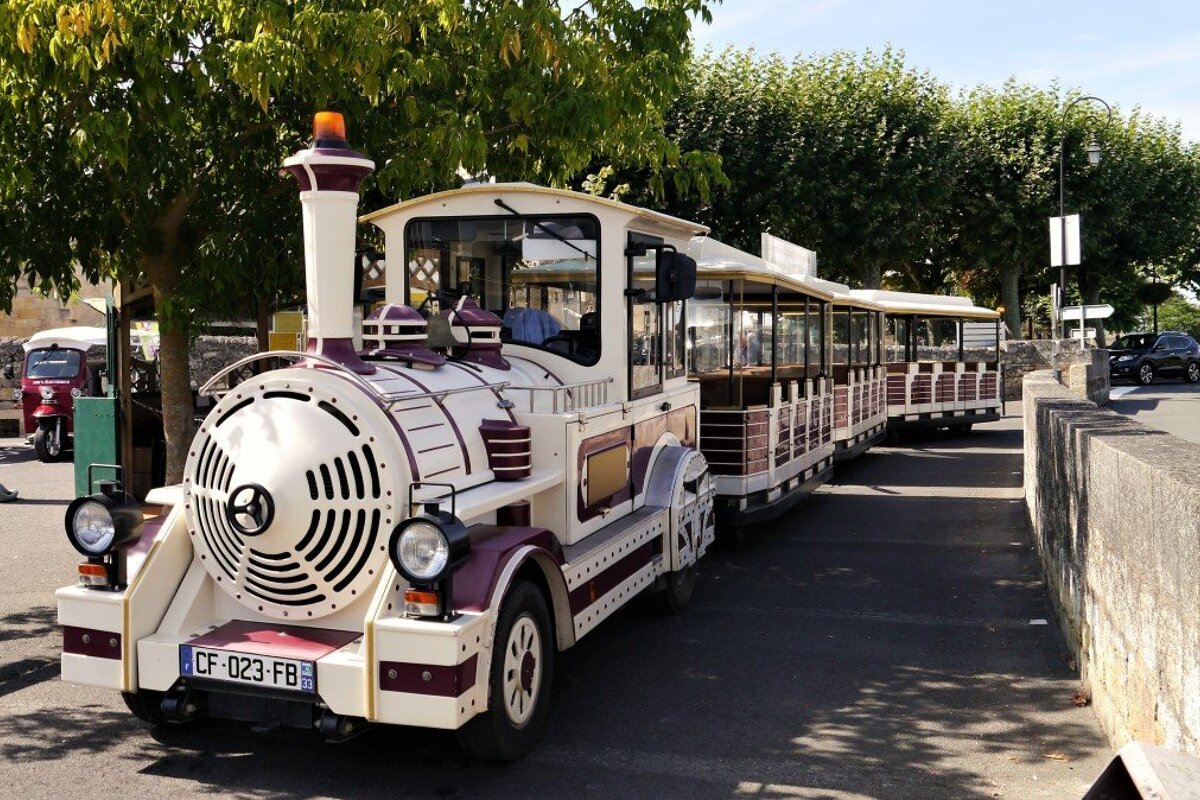
the train of Le Train des grands vignobles in st emilion


The commentary gives a good overall history of the region as well as offering up a few tidbits of interesting information about each individual winery. It is really lovely to be out in the surrounding area and to see the seemingly endless vines that cover the rolling hills. The area is surprisingly hilly and you are talked through the various 'terroir' and earth conditions that are affected by altitude and that, in turn, has an affect on the character and quality of the vines.


Around a third of the way through the tour the train stops on the crest of a hill at Chateau Rochebelle, owned and managed by the Faniest family since 1847. Originating from some point in the 1700's this small, 3 hectare vineyard is planted to 85% Merlot and 15% Cabernet Franc, with old vines that average 45 years of age.


Welcomed by the guide, the group, which was a mix of French, English and a few other languages, made their way down to the cellars to begin the tour. We were told about the history of the chateau and of its winemaking and shown the barrels where the wine was aged. Luckily the tour was in both French and English, with the guide switching between the two with ease.


With this being a particularly small outfit by St Emilion standards it was interesting to see the time and effort that goes into every bottle, with many of their customers being high-class hotels and Michelin star restaurants. Despite this, the bottles seemed rather well priced and I couldn't resist buying a few...especially after the actual tasting!


We only tried one particular red wine, but they took the time to talk us through how the wine should look, how to drink it and what else to think about - tannins, taste etc. It was all very informative and they never pressured any sales, although I did notice that most people left with at least one bottle in hand.

The train then returned for another loop of the tour and collected those of us who had chosen to stop off for the tasting. The remainder of the journey took us through more hilly, vine-covered countryside and past more wineries and estates including the rather well-known Chateau Troplong Mondot and Chateau Pavie wineries.


The tour ends as you pass by the ramparts to the north-west of the town and the rather bizarre Grandes Murailles, or Great Wall, which is all that remains of a 12th-century Dominican monastery.


If you only have a limited amount of time in Saint Emilion or if you aren't perhaps overly fascinated by the whole 'wine' thing then the Train des Grands Vignobles is absolutely perfect. It also acts as a great way for you to orientate yourself with the area before planning other winery trips or tours, giving you a good basic knowledge. At €3 the wine-tasting is well worth the extra time and money to get a little more detail, and the chance to buy some good-quality wine at cheaper than shop prices.

signpost on cirque d'Autoire walking trail

6. Cirque d'Autoire circular route, Autoire

This walk is wonderful and relaxing way to explore the valley of Autoire and the horseshoe shaped cliff band that guards it to the south-west.

Venturing out of the town to the south you will find yourself in the shade fo the forests and on simple paths that follow that river upstream to where it enters the valley. The dramatic waterfall starts high in the surrounding cliffs and flows through the valley all the way to the town and on out into the plains of the Dordogne.

As the forest offers good shade this is a walk that can easily be done in the summer months. However, should you wish to attempt the climb to La Roque d'Autoire, otherwise known as the Chateau des Anglais, then you should be careful about the time of day. The path begins in the forest but quickly becomes exposed and by midday you will be in blistering heat. Coupled with the steep incline, this can make for an uncomfortable journey. If you are able to persevere then the rewards are great. The light at this time of day is amazing on the honey-coloured stone of the ruined fort.

a horse sitting down in a horse show at rocamadour

7. Durandal Equestrian Show

There are so many medieval buildings, towns, remains and museums in the Dordogne region, all intriguing in their own way; but sometimes it's nice to sit back, relax, let history come to you and enjoy an energetic and comical show.

The Durandal Vs Excalibur Equestrian Show is just that, a spectacle filled with skills, acrobatics and heavy dose of humour. Situated at the very top of the town of Rocamadour I had a bit of a trek to reach the venue as i had parked at the very bottom of the town. However, with the show starting at 15:00 I had plenty of time to peruse the streets, have some lunch and catch the afternoon show.

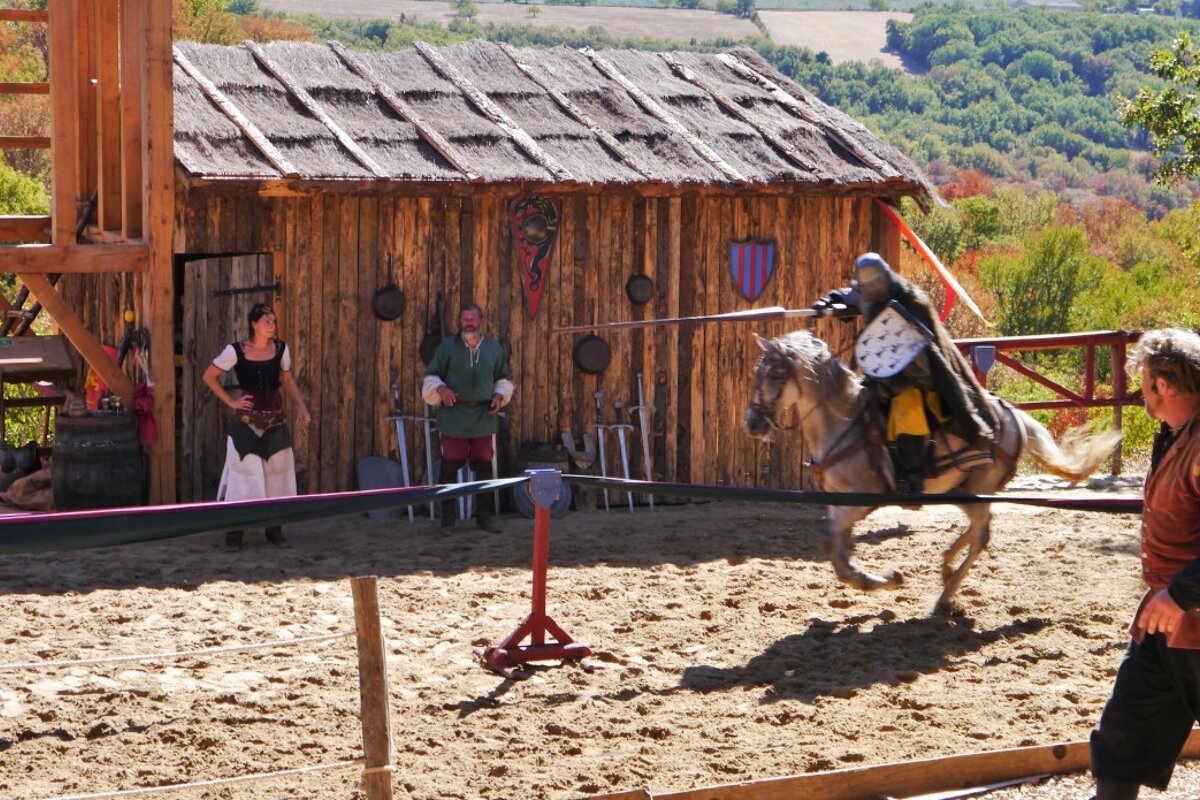
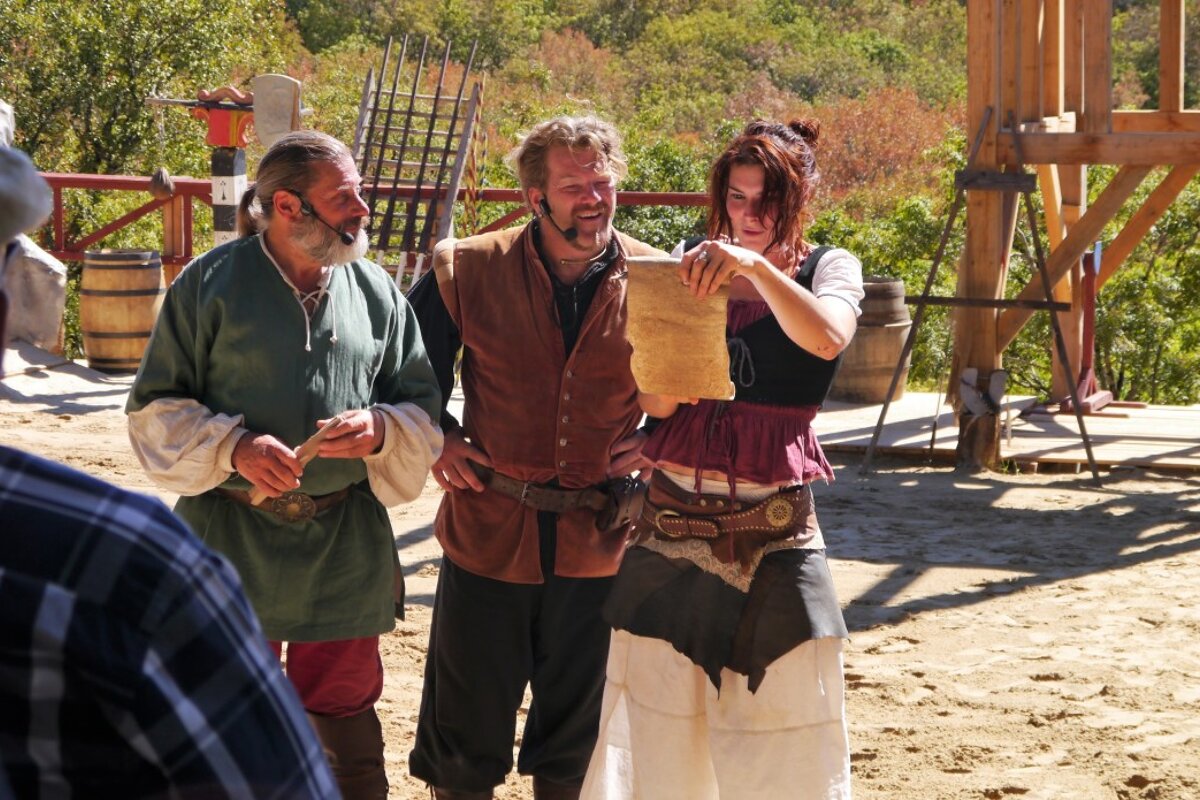
I wasn't entirely sure what to expect as I entered the gated compound. Filled with medieval paraphernalia the yard had carts, barrels, blacksmiths equipment and few characters roaming around in period dress. I bought my ticket and waited with the other audience members to see what was going to happen. Even though it was September the sun was still strong and beating down on us to make it feel a toasty 36 degrees. Luckily they serve cold drinks at the ticket booth so stock up on some bottled water before the show begins.

Let the jousting commence - a jousting match at durandal


All of a sudden the chatter began between members of the cast and a man on horseback appeared above a wooden fence to announce the show. Even though the theatre group are French and the show is wholly performed in French, it is fairly easy to keep a track of what is going, especially when it begins for real.

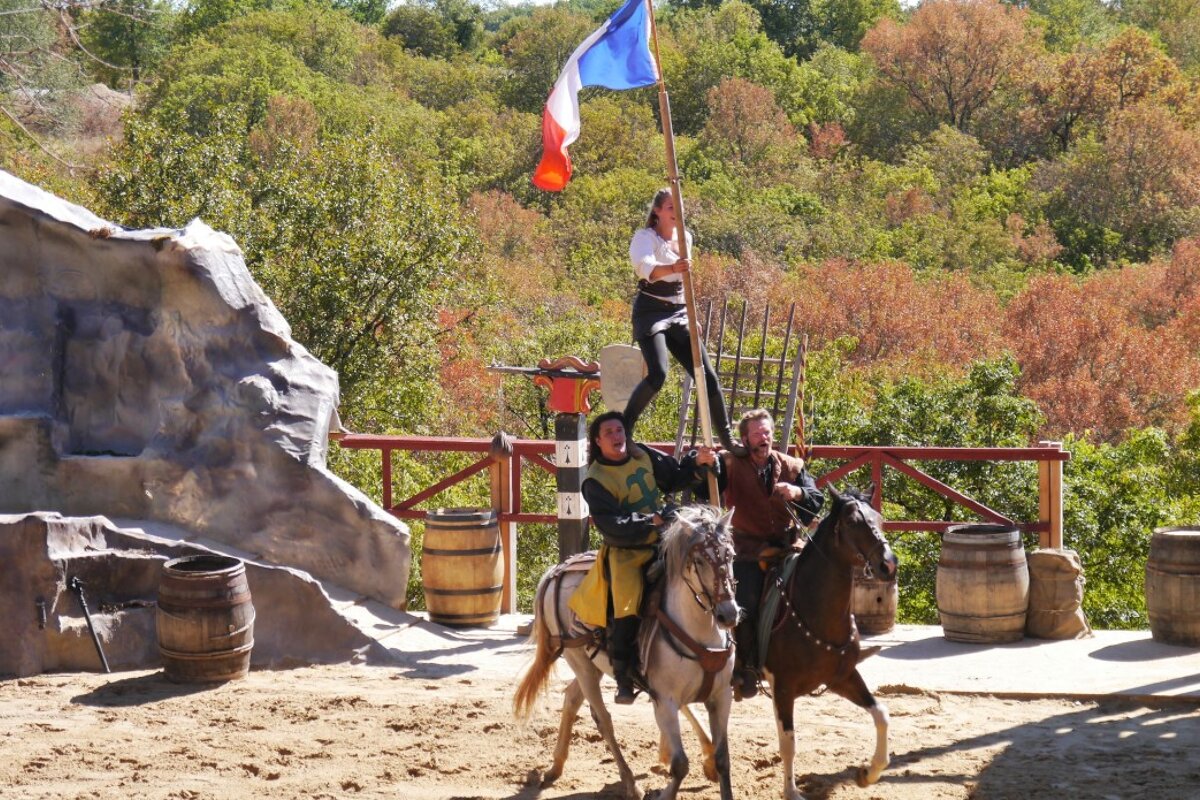
horse skills at their best at durandal


The basic plot is similar to that of Excalibur, a sword that is buried in stone, but this sword is known as Durandal. The sword is said to have been given to Charlemagne by an angel and he, in turn, gave it to Roland (one of his warriors). Folklore tells us that Roland attempted to destroy the sword to prevent it from being captured by the attacking Saracens, and created Roland's Breach in the Pyrenees in the process. But Durendal proved indestructible, so he hid it beneath his body along with the oliphant, the horn used to alert Charlemagne. There are claims that Durandal still exists, embedded in a cliff wall in Rocamadour, and in the twelfth century, the monks of Rocamadour claimed that Roland threw the sword rather than hiding it beneath himself.

The show takes a slight twist on this story and brings their English rivals into the equation who want to steal the sword. Full of swashbuckling action, amazing horse stunts, spectacular riding a quick display of medieval jousting the show is action packed from start to finish.

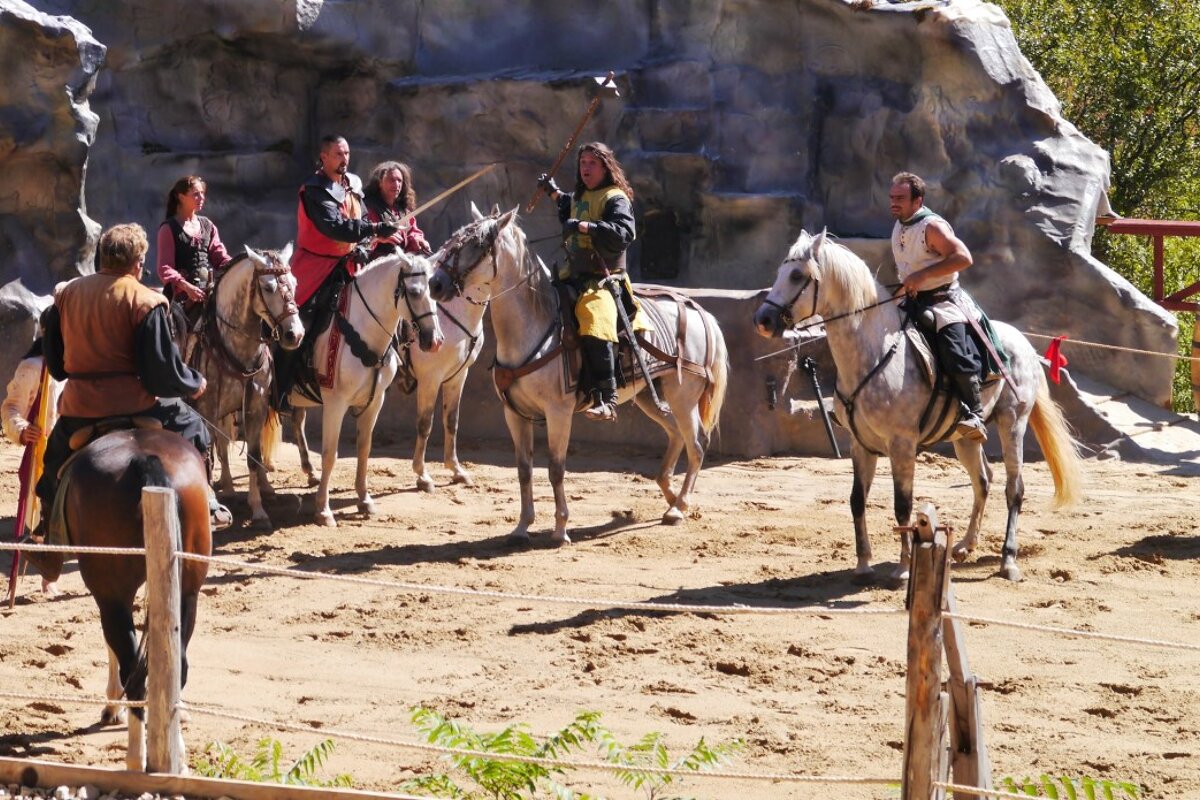
The English turn up on horseback to fight the french


The actors really throw themselves into the roles that they are playing and you can certainly feel yourself siding with either the French or the English with plenty of boo-ing and hissing going on. The kids that were watching were completely enthralled by the whole performance and to be honest so were the adults! this is definitely a show that is suitable for all ages, and indeed all nationalities.

The actors bring the show to life at durandal


For the price of €10 (€7 for children), the Durandal Vs Excalibur Equestrian Show is a good hours entertainment. The horses are by far the stars of the show and a chance to get your photo taken with one of them at the end is a must.