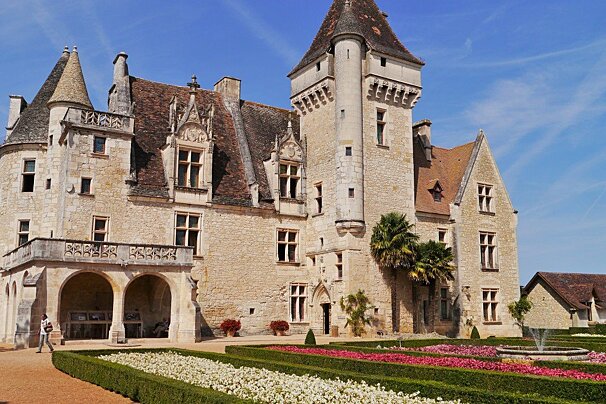
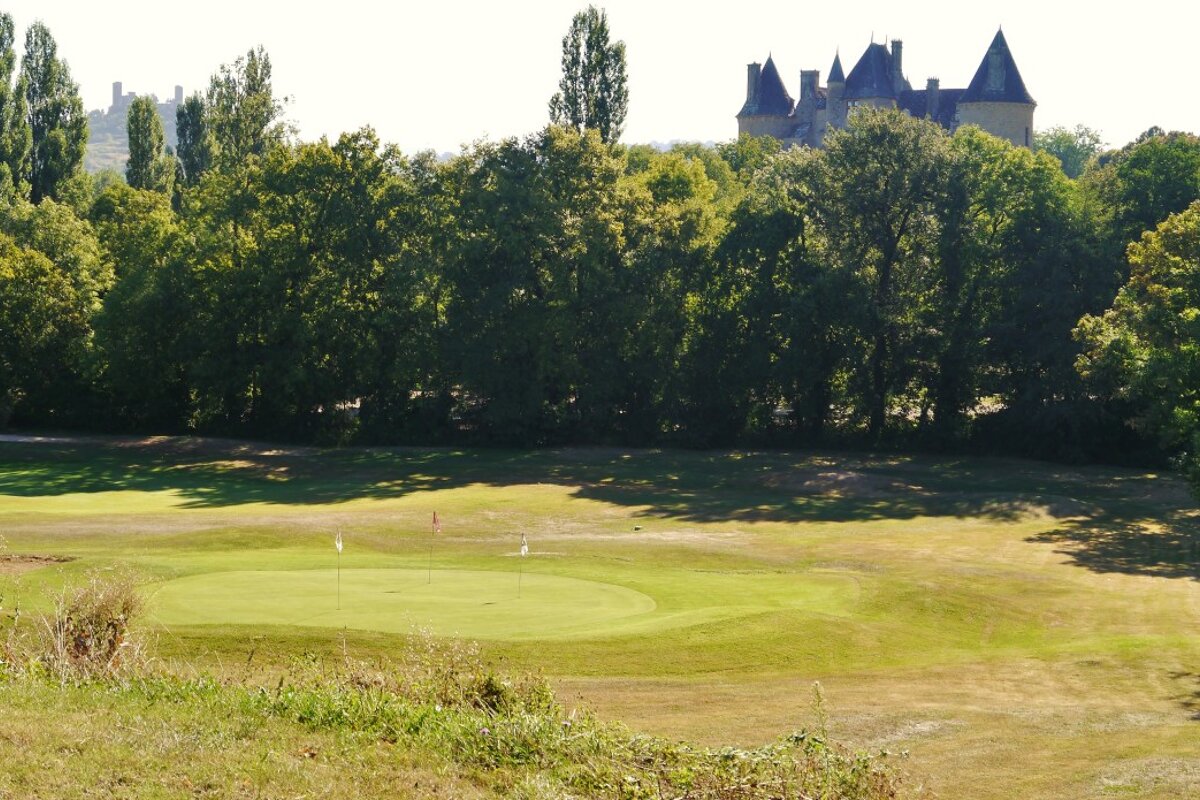


Part Renaissance palace, part medieval fortress, the original foundations date to the 15th century but were adapted by Jeanne Balzac d'Entraygues.
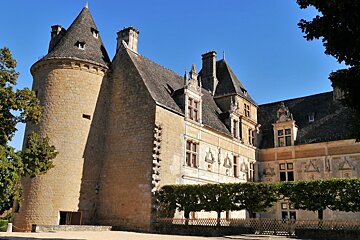
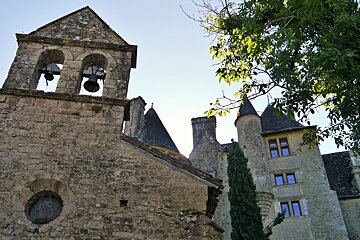


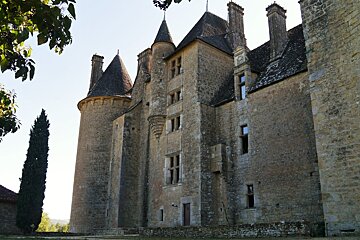
Chateau de Montal, Saint-Jean-Lespinasse
Hiding place of the Mona Lisa during the Second World War
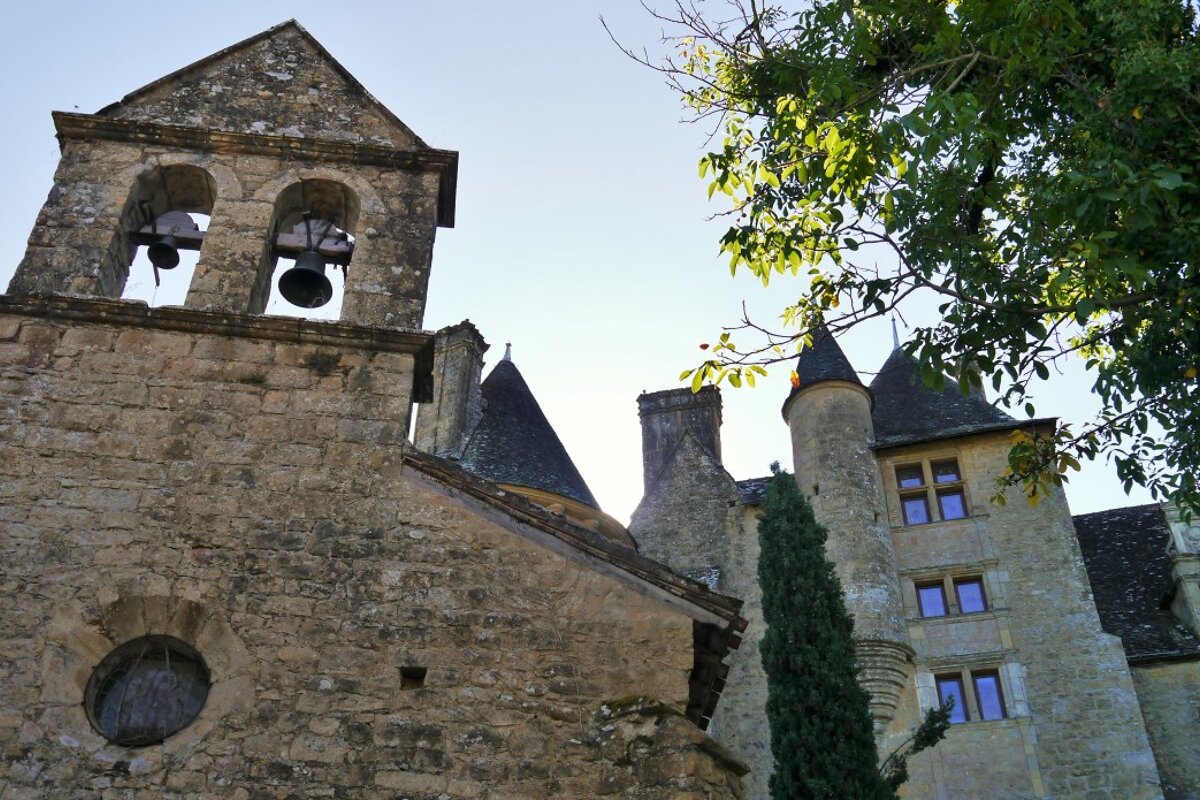
Its round turrets, with slate roofs on one side, contrast with the attractive façades facing the courtyard on the opposite side. A brilliant example of this type of architecture, it was fortunate to have been restored early in the 20th century by Maurice Fenaille. During the Second World War, the château hid many famous Louvre paintings, including the Mona Lisa. the interior is also remarkably restored with an impressive staircase and selection of tapestries.
The sculpted staircase, luxurious interior and formal garden of this residence reflect the comfortable, intimate and sophisticated lifestyle of the French nobility in the early 16th-century.
Self-guided and guided tours of the castle are available.
When to come
Open throughout the year. Times do vary.
January to April - 10:00-12:30 & 14:00-17:30
May to August - 10:00-12:30 & 14:00-18:30
September - 10:00-12:30 & 14:00-17:30
October to December - 10:00-12:30 & 14:00-17:30
Closed on Tuesdays from October to March.
How to book
If you have a large group then you may wish to book a private tour in advance. You can do so by contacting the castle directly.
How to get passes
Tickets are available at the ticket desk once you reach the castle.