Le Vieux Logis Restaurant, Tremolat
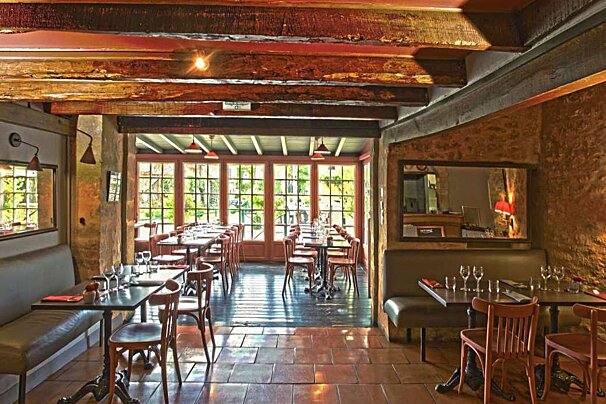
Stone walls, high ceilings, charming surroundings and elegant table settings lure you into the restaurant, with precise modern day interpretations of classic regional food, made from the finest local produce.

© Le Vieux Logis

© Le Vieux Logis
Relais & Châteaux luxurious four star hotel
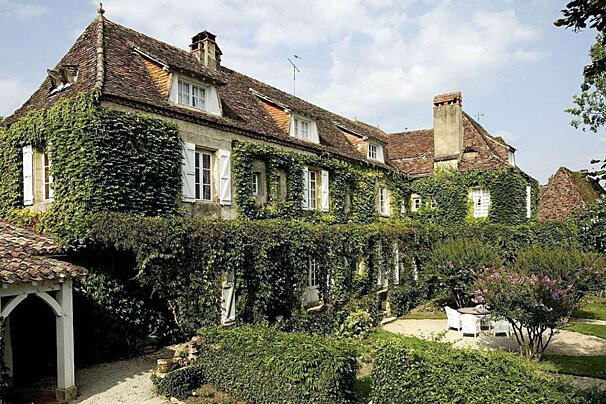
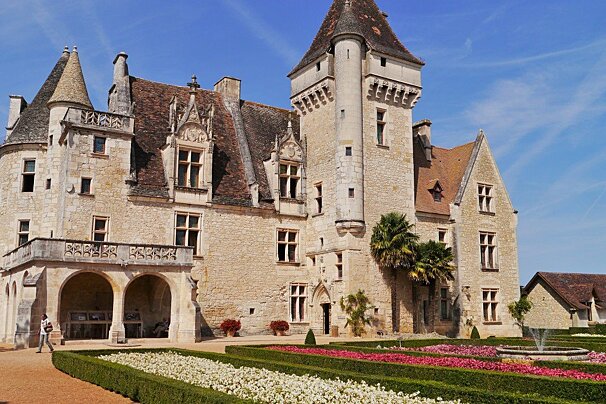
This luxury hotel has large rustic-style bedrooms, a magnificent park, a sunny terrace and an outside pool made from local yellow stones typical of the Périgord region. The estate includes a manor house, tenanted farm, outbuildings, a tobacco drying room which houses a lounge and smoking room, and two restaurant dining rooms. This Relais & Châteaux hotel is an excellent choice with great food and superb surroundings.
The 23 bedrooms are all individually decorated, to create a quiet and comfortable space. The views are of the village, the surrounding park or the flower garden, which houses a lap pool.
The michelin-starred restaurant offers traditional, seasonal cuisine in a very stylish dining room, which is the former tobacco drying house. The bistro restaurant is a more intimate and informal space that creates gourmet dishes in an open kitchen.
Made from traditional Pèrigord stone, the large outdoor pool in the hotels garden is the perfect spot to sit back and enjoy your natural surroundings. Lined with box and lime trees and a trickling stream, you can relax in one of the deck chairs and take it all in.
Stone walls, high ceilings, charming surroundings and elegant table settings lure you into the restaurant, with precise modern day interpretations of classic regional food, made from the finest local produce.
Set in the hotel's 19th Century building, the dining room has wonderful stone walls and comforting, traditional table settings. Weather permitting, you may be able to relish your meal outside on the flowery terrace overlooking the lush garden or even down by the pool.
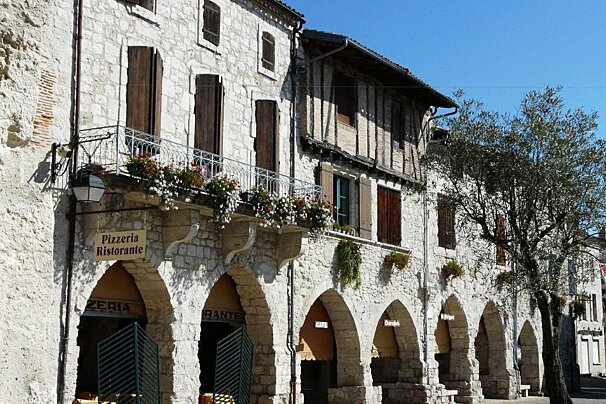
Located 50 yards from the Vieux Logis Hotel, the Bistrot de la Place has exposed wooden beams, simple yet effective place settings and makes you feel immediately comfortable in the fuss free, cosy setting in the centre of Trèmolat.
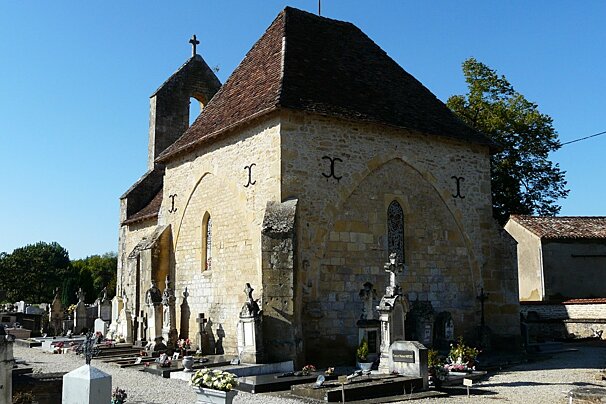
This church in very bad condition after the war, and so it was lovingly restored in the 1950s by the locals of the town who were very attached to its heritage.
Trémolat's first church was built in the 9th century and now today all that remains of the original work are two arches, north and south of the nave at the intersection of the transept.
This beautiful and vast area has been split into themed garden areas, with interpretive trails running through them to both educate and add to the enjoyment of visitors.
The church at Saint-Martin is distinguished for its original frescoes, which can be foudn inside, and its dedication stone.
With nearly 200 species of bamboo and 210 other grasses from around the world as well as rare trees and shrubs, perennials, annuals, herbs and wild, this is a truely wonderful collection.
Founded by Gérard de Salles in 1115, and affiliated to the Cistercians, the Cadouin Abbey is an incredibly well-preserved example of religious architecture.
Trémolat was originally home to a 6th century hermit, Saint-Cybard, before monks built their monastery here in the 9th century.
Limeuil is a picturesque old village which features on the list of 'Les Plus Beaux Villages de France'. It has a pretty park on the top of the hill and some ruins from its medieval past.
A small but beautiful medieval village built around the Cadoudin Abbey, constructed by the Cistercians in the 12th century. It's situated very close to the neighbouring larger town of Le Buisson de Cadouin
Founded in 1261, Lalinde was the first English bastide. Situated on the banks of the Dorgdogne, the town is also crossed by the Canal de Lalinde, constructed to bypass the dangerous rapids of Grand Thoret.
The relaxed town of Le Bugue sits on the river Vézère where it's joined by the Doux. A more tranquil base for exploring the region, it has some pretty, narrow streets and a bustling market twice a week.
Couze used to be a paper-making village and a number of its old mills are still in existence, using the power of the Couze river to turn the water wheel.