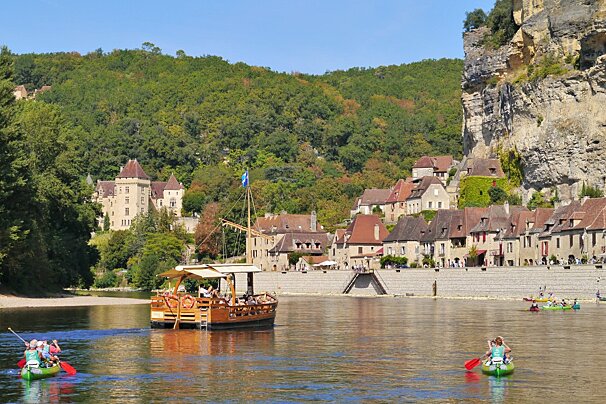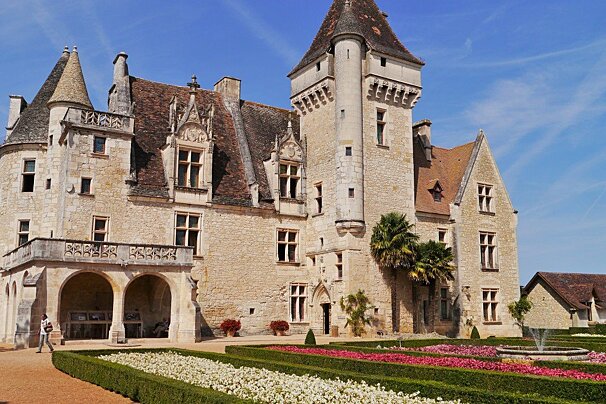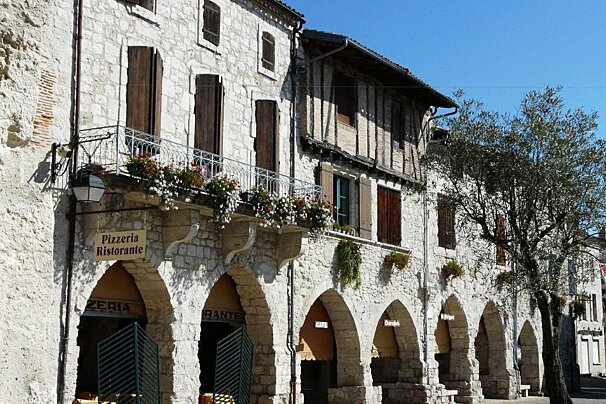

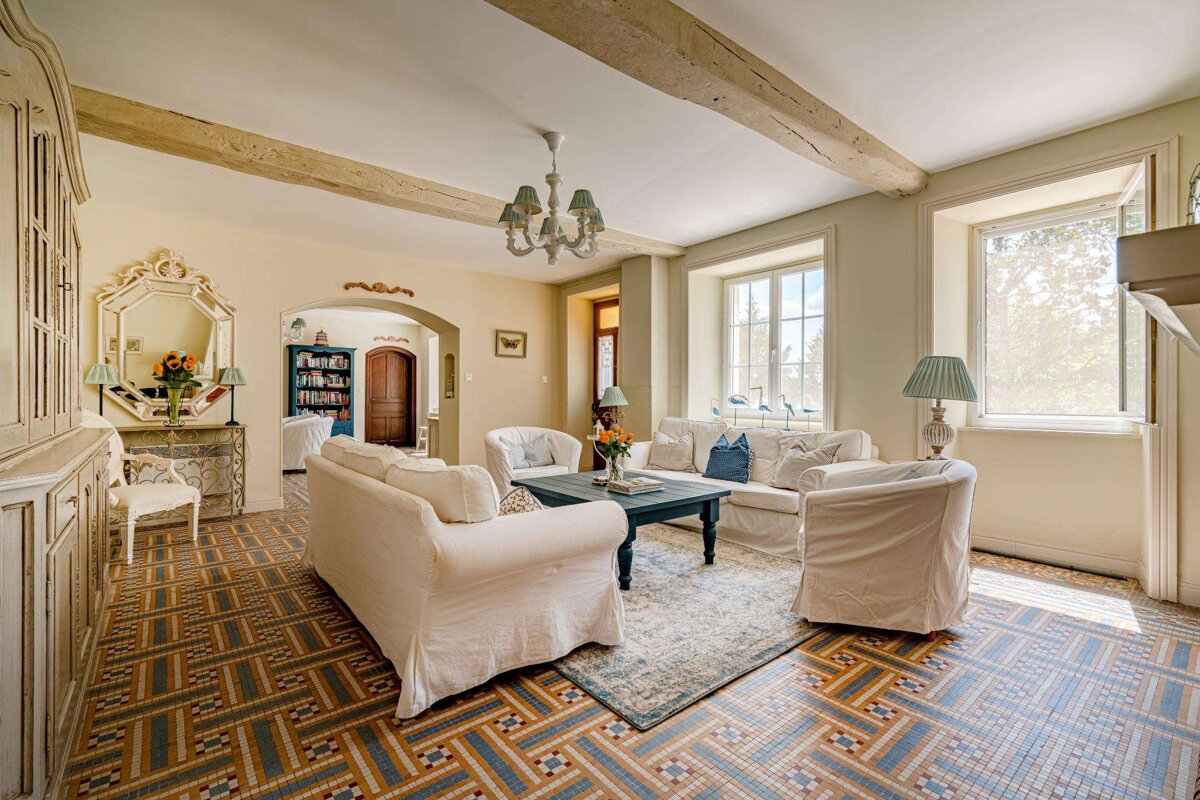






Set within a sleepy hamlet bordering the peaceful village of Mirandol-Bourgnounac, this lovingly restored mid-19th Century manor house enjoys sweeping views across the hills and meadows of the verdant Tarn region.









La Tourette Villa, Najac
6 bedroom Villa in Dordogne. Sleeps 14
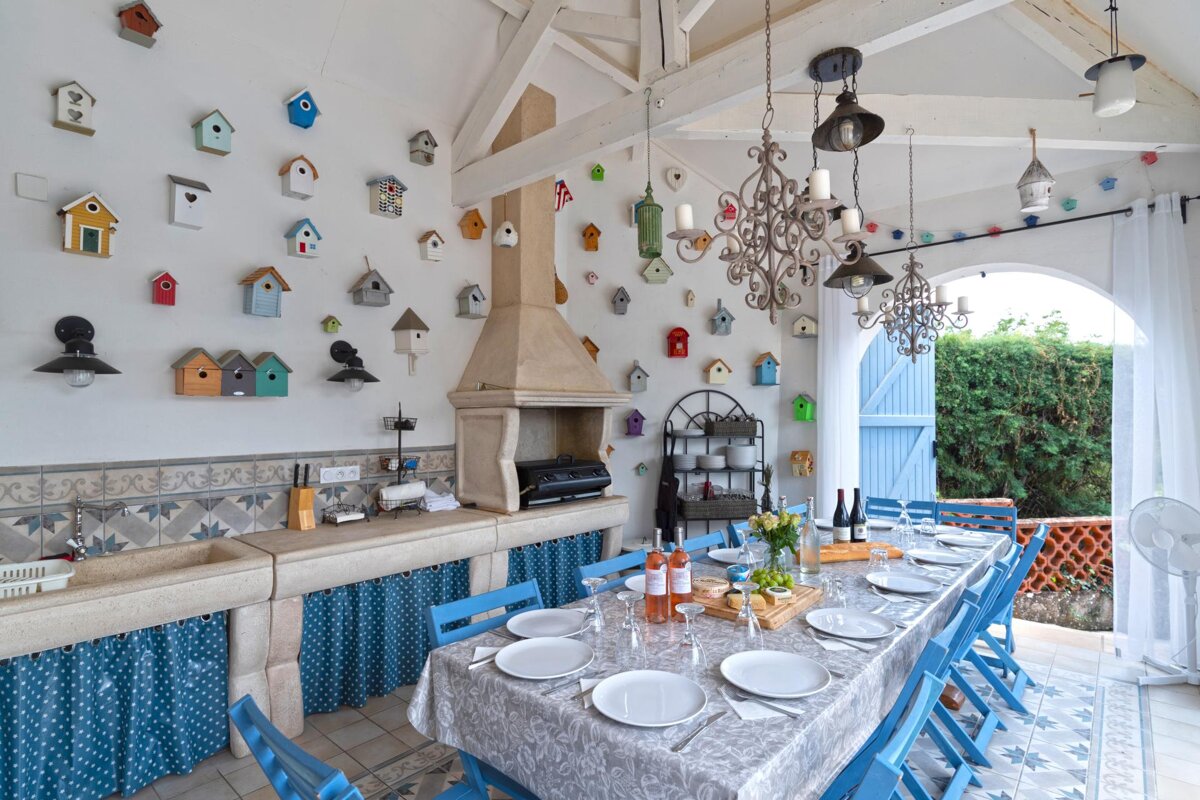
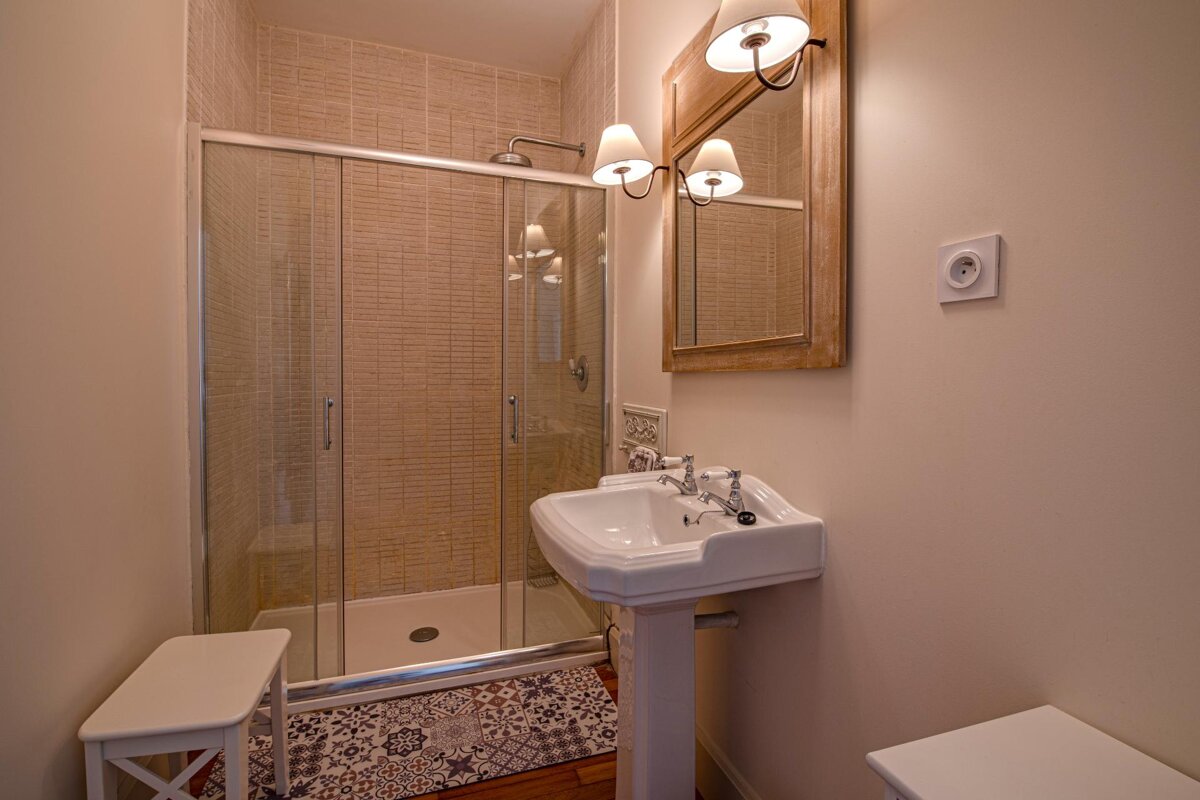
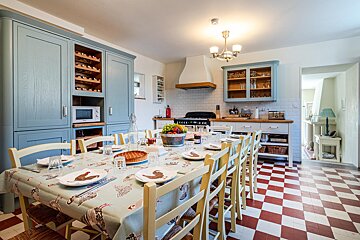
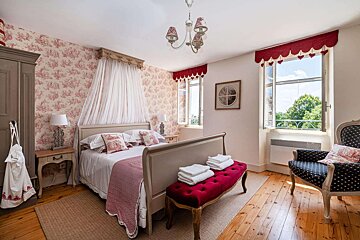
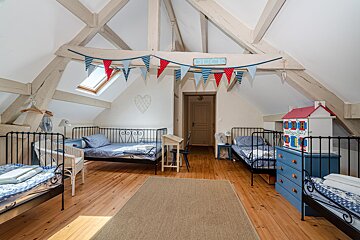
The owners have carefully preserved the architectural integrity of this beautiful building, retaining original features such as the intricately tiled floors on the ground floor and the painted beams on the upper levels. Inside, the cool, bright interiors, paired with comfortable yet stylish furniture, create a welcoming and inviting atmosphere. No detail has been overlooked in ensuring your utmost comfort—from the drinks-making facilities on the second floor to the fully equipped summer kitchen by the swimming pool, offering the perfect space to indulge in both local cuisine and the pleasures of outdoor living.
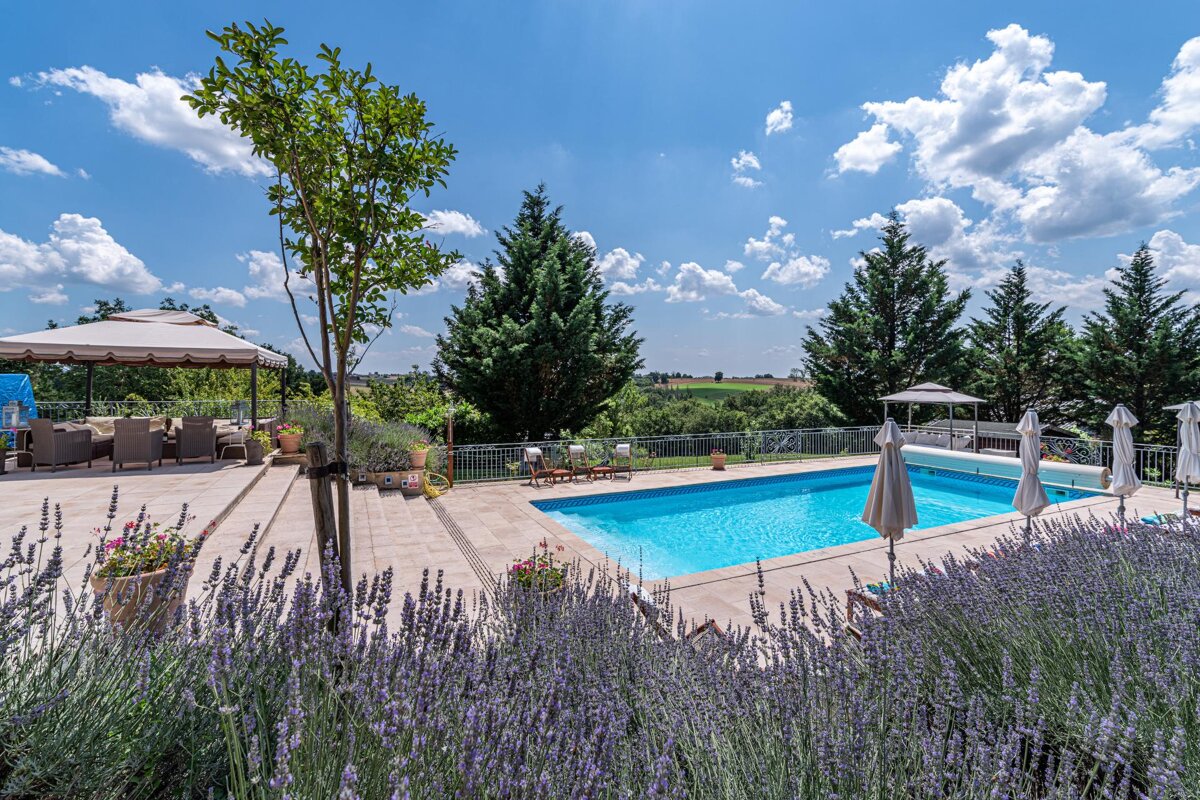
Ample terraces surround the heated swimming pool, offering plenty of space to relax while taking in the stunning valley views. Beyond the pool, a wisteria and honeysuckle-draped corridor borders a slender garden. Chefs will adore the excellently appointed summer kitchen, complete with a shaded terrace, turning al fresco dining into a true delight.
The village of Mirandol-Bourgnounac (3km) is just a short distance away, offering a small selection of shops for essentials and a couple of restaurants. For more options, Carmaux (12km) has a lively traditional Friday market and additional shopping. Slightly further afield, the UNESCO World Heritage site of Albi (30km) awaits, home to a range of shops, restaurants, and the magnificent cathedral, as well as the Toulouse Lautrec museum - an absolute must for art lovers.
The pool
Private heated swimming pool (12m x 5m) with Roman steps.
Things to do nearby
Things To Do in Dordogne
See all Things To Do in Dordogne-

Durandal Vs Excalibur Equestrian Show, Rocamadour
Historical drama told with amazing equestrian acrobatics
An hour long horse show and theatre production that is based on the rivalry between the English and the French with lively, action-packed fun.
-

Le Petit Train de Rocamadour, Rocamadour
Train tour from the car park to the centre of Rocamadour
In true French style Le Petit Train will take you on your short journey from the bottom of Rocamadour to the town centre above you.
-

Foret des Singes Wildlife Park, Rocamadour
See the endangered Barbary Macaque roaming in this wildlife park
This wildlife park is dedicated to the Barbary Macaque monkey who roams free in the 20 hectares of woodland.
-

Aquarium du Perigord Noir, Le Bugue
The biggest fresh water aquarium in Europe is in Le Bugue
A great place for a family day out and to escape the pre-historic world of the Dordogne...instead, enjoy the family atmosphere and displays of this fresh water aquarium.
-

AVCK (Animation Vezere Canoe Kayak), Les Eyzies-de-Tayac
Explore the Vézère valley from the peace & tranquillity of the river
This area provides water-sports for all ages. Renowned for its architectural heritage and sites of natural beauty, you will find that paddling is a great way to relax and have fun whilst enjoying the scenery.
-

Traditional Barge Boat Trip, La Roque-Gageac
30 person boat trip with commentary
Travel along the valley of the five chateaux on traditional barges and discover some of the most beautiful sites.


Restaurants nearby
Restaurants in Dordogne
See all Restaurants in Dordogne-

La Chartreuse du Bignac Restaurant, St Nexans
Gourmet restaurant with indoor & terrace dining located in an rural 17th century building
The dining rooms allow for views of the surrounding vineyards and rolling hills. Drinks can also be enjoyed in the small library or among the chestnut trees.
-

Hostellerie de Plaisance Restaurant, Saint Emilion
Michelin starred gourmet restaurant overlooking Saint-Emilion
This elegant and sophisticated two Michelin star restaurant offers creative dishes designed by chef Cédric Béchade, who plays with colours and textures in his cuisine.
-

La Toque Blanche Restaurant, Pujols
Michelin-starred restaurant with amazing views.
At this Michelin-starred restaurant, the chef, Jean-Baptiste Fabre, will introduce you to authentic cuisine based on the taste and flavours of seasonal produce. The restaurant has an exceptional position, offering a panoramic view of the 18th century medieval village of Pujols.
-

Bistrot de la Place Restaurant, Tremolat
Bistrot simplicity paying homage to its heritage
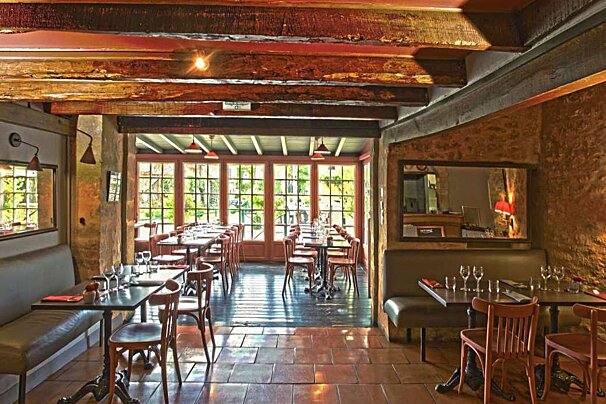
Located 50 yards from the Vieux Logis Hotel, the Bistrot de la Place has exposed wooden beams, simple yet effective place settings and makes you feel immediately comfortable in the fuss free, cosy setting in the centre of Trèmolat.
-

Manoir d'Hautegente Restaurant, Saint-Amand-de-Coly
Traditional gastronomy meets modern flair in beautiful location
The restaurant of this excellent 4-star hotel is one of the best in the region. The manor building is set in beautiful grounds, and chef, Ludovic Lavaud, harmoniously matches local products and traditional cuisine with a touch of oriental perfume. The cave is exceptional too.
-

L'Esplanade Restaurant, Domme
Great truffle specialities
Perched on a cliff, the Hôtel l'Esplanade has a great setting with good rooms and more importantly, a fantastic restaurant.




Sights nearby
Sights in Dordogne
See all Sights in Dordogne-

Abbaye de Beaulieu-en-Rouergue
Beautiful abbey, now an arts centre
The beautiful Abbeye de Beaulieu-en-Rouergue was established in 1144 in the valley of the Seye by the Bishop of Rodez. This Cistercian abbey had a successful existence for many years and was expanded in the 17th and 18th centuries. It went into decline as the monastic discipline was relaxed but was saved from ruin in 1960 when it was subject to extensive renovation and turned into a contemporary arts centre which holds a number of temporary exhibitions each year.
-
Maison des Arts Georges-Pompidou
Contemporary arts exhibitions
In Cajarc, the George Pompidou arts centre holds a number of significant art exhibitions each year designed at promoting new trends in contemporary art. It was founded in 1989 and named after the former Prime Minister who spent time here.
-
Chateau de Cenevieres, Cenevieres
Palatial residence of the de Gourdon family
Originally built by the lords of La Popie from the 9th century onwards, the château was sold to the de Gourdon family in the 12th century where it remained until the 17th century. Significant restoration work was undertaken in the late 19th and early 20th centuries to maintain this Renaissance palace. Today, a number of Renaissance frescoes discovered over the years can be viewed in its rooms.
-
Grotte de Foissac, Capdenac
Prehistoric cave used as a tomb
This prehistoric cave is situated on a limestone plateau in the Lot valley, in an area speckled with prehistoric remains and megalithic monuments. The cave was discovered in 1965 and is a remarkable subterranean museum. Over 400 metres in length, it preserves human footprints, clay quarries, fireplaces, tools, and many bones. Some of the cave network was used as tombs; nearly 30 skeletons have been discovered dating as far back as the Copper Age. There is also a museum with a good archaeological collection.
-
Musee Champollion
Hieroglyphics museum
This museum is dedicated to Figeac-born Egyptologist Jean-François Champollion who was the first person to interpret Egyptian hieroglyphics from the Rosetta Stone in 1822. As well as charting the course of his short life, this museum depicts the history of script from a number of different languages and has a collection of ancient Egyptian relics.
-
Grotte de Pech-Merle, Cabrerets
Huge prehistoric cave with animal paintings
This huge cave , more than two kilometres long, has seven large halls open to the public. Its lower prehistoric chambers were discovered by teenagers in the 1920s. They contain prehistoric paintings and sketches, human footprints and limestone rock formations which include cave pearls. The huge Chapelle des Mammoths is the first stop, which contains impressive art that uses the contours of the rock perfectly. There are literally hundreds of drawings. The museum is good, displaying a diverse collection of artefacts.
Towns nearby
Towns & Villages in Dordogne
See all Towns & Villages in Dordogne-

Cahors, Lot
The largest town in the Lot and with Roman roots. Situated on the banks of the Lot river
Formerly the capital of the old province of Quercy, Cahors is the largest town in the Lot valley. The site was inhabited by the Cadurci tribe in Roman-Gaul times.
-

Saint-Céré, Lot
Sitting on the La Bave river, boasting cobbled streets and a Chateau in the east of the Dordogne
The riverside town of Saint-Céré is a lovely place to base yourself for excursions in the region. The La Bave river winds its way through the centre of the town and its old buildings have been carefully restored, retaining their timber vaulting or Renaissance stonework.
-

Autoire, Lot
To the east of Dordogne on the edge of Causses du Quercy regional park
Picturesque village typical of Quercy. The traditional houses have corbelled fronts, brown-tiled roofs and pigeon lofts built into their walls.
-

Rocamadour, Lot
Clifftop medieval village and pilgrimage site in the Lot region
Perched on the side of a cliff, in a gorge above the river Alzou, this medieval town has a breathtaking setting.
-

Moissac
Situated at the confluence of the rivers Garonne and Tarn at the Canal de Garonne
The main town of the area between 1800 and 1926, it was all but destroyed during the floods of 1930, which caused devastation across the entire south west of France and counted as a 100 year flood.
-

Carennac, Lot
Pretty village steeped in history and culture situated to the east of the Dordogne in Lot
Carennac has been previously voted 'One of the 'Most Beautiful Villages in France' and it's easy to see why. The blonde stone and red-brown roofs of its buildings have tall chimneys and are adorned with creepers that turn red in the autumn.