CAP NATURE - Parc de Loisirs, Cahors
Just 5 minutes from Cahors, in Pradines, there are a multitude of activities on offer from acrobatic courses in the trees, to paintball, kayaking, hiking, orienteering and much much more.

© Le Miel des Muses B&B, Brive-la-Gaillarde
Blissful B&B just 500m from the city centre
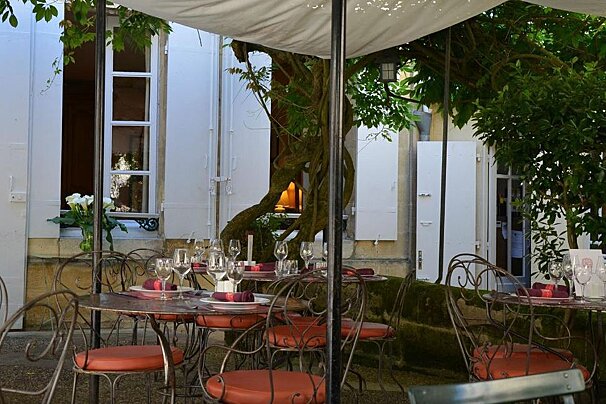
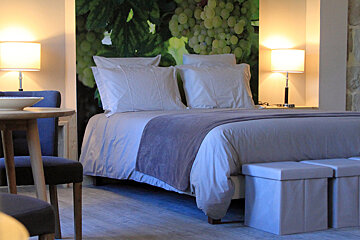
The B&B perfectly combines old and new, with modern, elegant rooms that have not shied away from the beautiful wooden beams and stone walls of the original building. A stunning wooden terrace with plenty of greenery and little comfortable spots to sit, offers the idyllic place to wind down after a days exploration.
There are a total of 5 extremely comfortable rooms, each uniquely furnished and equipped with a number of modern conveniences. It is also rated as one of the best value properties in the Brive-le-Gaillarde, so it is sure to be a real treat.
A continental breakfast is on offer each morning and can be enjoyed at one of the deliciously inviting tables, with a number of different condiments and pleasing place settings.
All children are welcome and those under 2 may stay for free when using a cot. Any extra bed required in a room for other children is available at a cost.
Just 5 minutes from Cahors, in Pradines, there are a multitude of activities on offer from acrobatic courses in the trees, to paintball, kayaking, hiking, orienteering and much much more.
Open every day of the year this 9-hole, par 35, course is set in the lush countryside of the Dordogne and the grounds of Chateau les Merles.
This wildlife park is dedicated to the Barbary Macaque monkey who roams free in the 20 hectares of woodland.
A trip on a petit train is the perfect way to see this small bastide town and to learn a little more about the long history of the bastide town.
Aerial adventures including treetop ladders, zip lines, cave routes and rocks faces to climb. This adventure park offers a mix of everything to keep the whole family entertained.
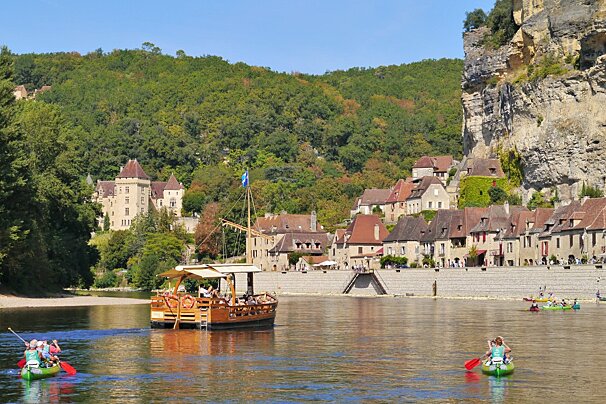
A delightful trip along the river that runs through the heart of Bergerac on a traditional wooden barge.
The dining rooms allow for views of the surrounding vineyards and rolling hills. Drinks can also be enjoyed in the small library or among the chestnut trees.
This elegant and sophisticated two Michelin star restaurant offers creative dishes designed by chef Cédric Béchade, who plays with colours and textures in his cuisine.
Set in the hotel's 19th Century building, the dining room has wonderful stone walls and comforting, traditional table settings. Weather permitting, you may be able to relish your meal outside on the flowery terrace overlooking the lush garden or even down by the pool.
Set in an inviting tranquil hotel just a short distance from the centre of medieval Brantome. A meal typical of the region including duck, foie gras and of course truffles can be enjoyed in the spacious restaurant or under the mulberry trees on the terrace in the summer.
At this Michelin-starred restaurant, the chef, Jean-Baptiste Fabre, will introduce you to authentic cuisine based on the taste and flavours of seasonal produce. The restaurant has an exceptional position, offering a panoramic view of the 18th century medieval village of Pujols.
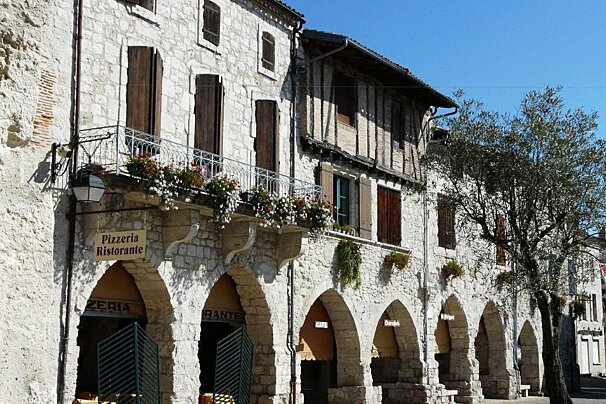
Chez Alain is located in the beautiful medieval village of Issigeac, known for its colourful market on Sunday. The chef, Sébastien, offers a refined and colourful cuisine using fresh and seasonal produce. The stone walls and old beams give off a warm atmosphere inside and it has a pretty outdoor area.
Housed in the Hôtel de Labenche, a Renaissance building from the 16th century, this museum traces the archaeological history of the city from prehistoric to the middle ages. It has a large collection of finds and includes the oldest preserved Eucharistic dove in Europe which dates to the 11th century. Coming to more recent history, it has collections representing the cultural development of the city and a collection of English Mortlake tapestries from the 17th century.
This museum in the centre of Brive covers the Second World War and the Resistance. It is housed in the former home of Edmond Michelet, a key resistor who was arrested by the Germans in 1943 and sent to the concentration camp at Dachau. He survived and returned to France in 1945 and went on to become Minister for the Armed Forces under the de Gaulle government. His studies on the Resistance won him literary prizes and his home has become a study centre as well as a museum. Many of the museum's collections were gifts from former resistance fighters and it houses an exceptional collection of over 400 propaganda posters.
This is a contemporary floral park in the town of Varetz created in 2008 to pay tribute to the author Sidonie-Gabrielle Colette. The park has a guided tour offering a fun way to discover the botanical interests of this author as you wander through its six gardens.
Designed by Kathryn Gustafson, a visit here tells a story, and is a journey through the gardens of history. The guided tour is excellent, describing ancient woods believed to have been inhabited by gods, more contemporary water features and a garden of over 2,000 roses which blends the old with the new.
The Palais de la Raymondie stands next to the market hall in the heart of the medieval town of Martel. This museum contains objects dating from paleolothic, neolithic and Gallo-Roman occupations.
Also known as the Truffle train, it will take you on a journey of 8 miles (13 Km) round trip, more than 80 meters (260 feet) high cliff, giving a wonderful panorama of the Dordogne Valley.
The town of Martel is not, in fact, famous for the brandy (that's Martell with two ll's) but is well known as the capital of truffles and a great producer of walnuts, two of the region's specialities.
A base for exploring the region, Souillac has a medieval past and is filled with Romanesque-style sculptures.
The pretty old town of Montignac serves as a good base for visiting the nearby prehistoric caves.
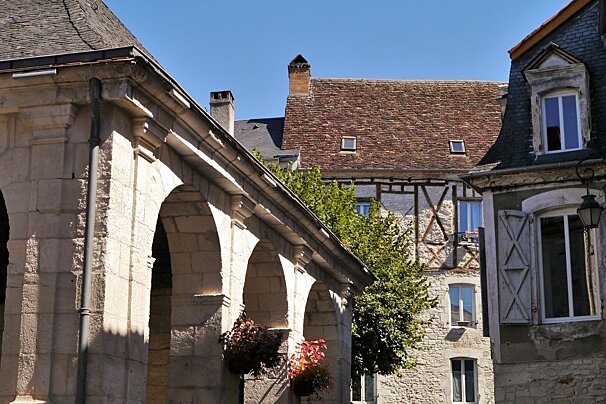
Carennac has been previously voted 'One of the 'Most Beautiful Villages in France' and it's easy to see why. The blonde stone and red-brown roofs of its buildings have tall chimneys and are adorned with creepers that turn red in the autumn.
This medieval town on a bend in the Dordogne grew around its 9th century Benedictine abbey of Saint-Pierre.
Standing out as one of the most charming towns in the region, this medieval dwelling remains much as it was when it was built in the 14th century.