









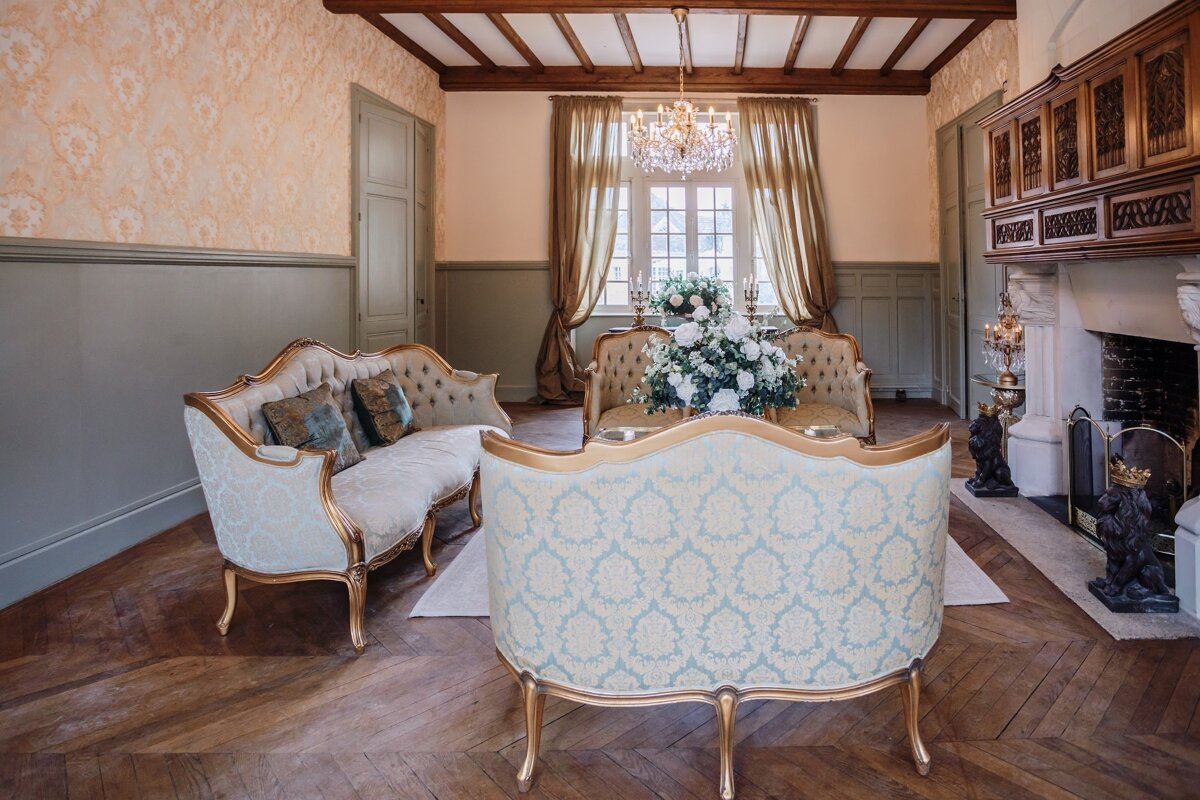

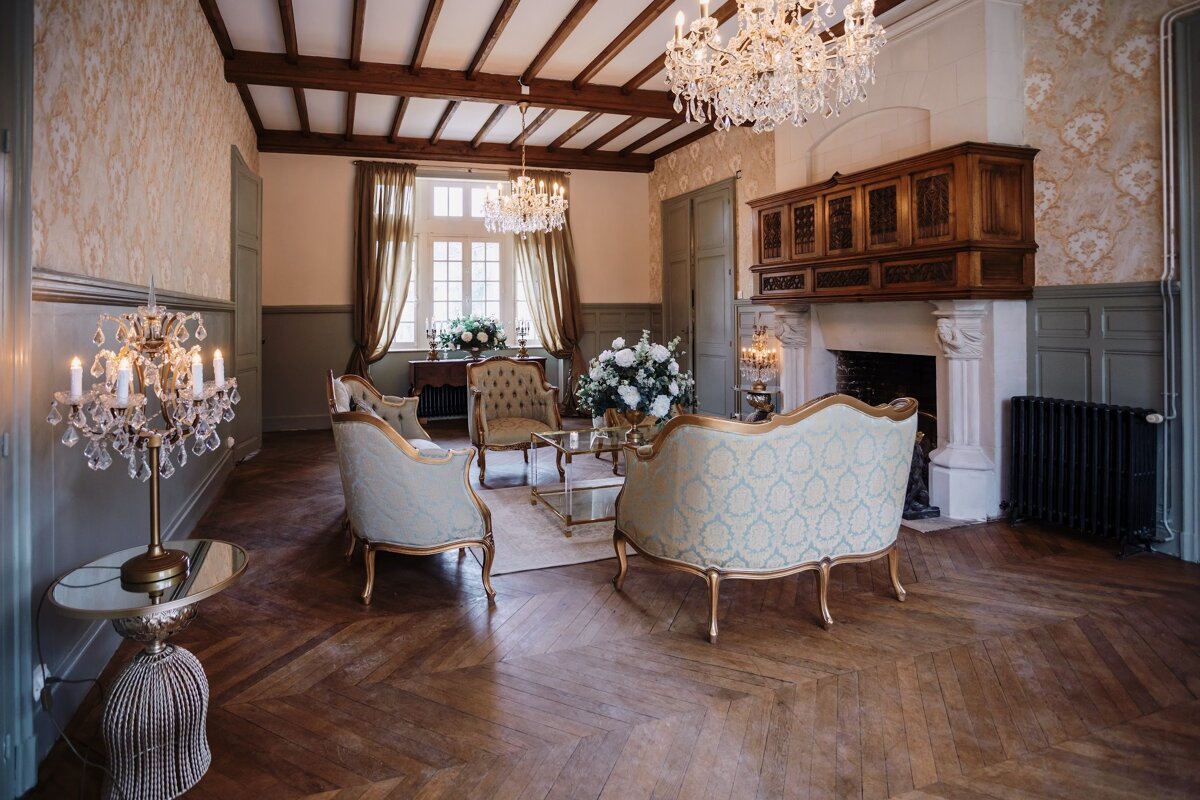


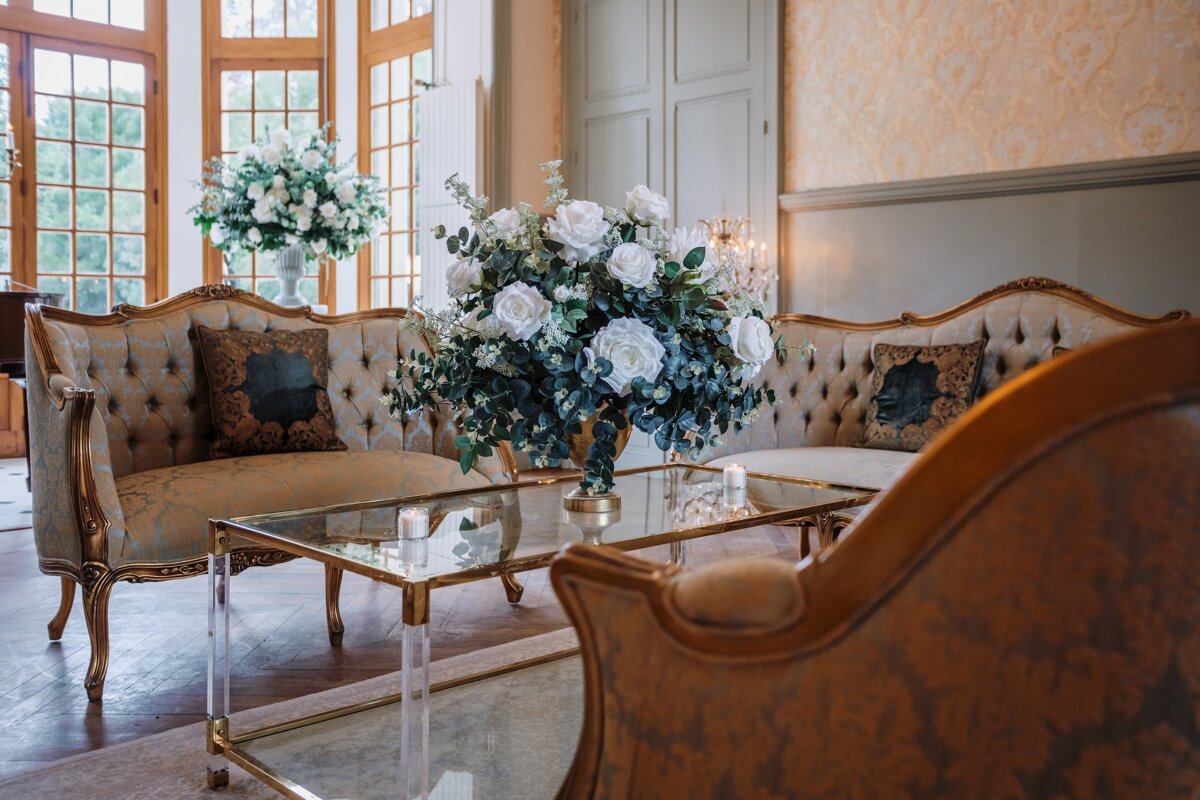


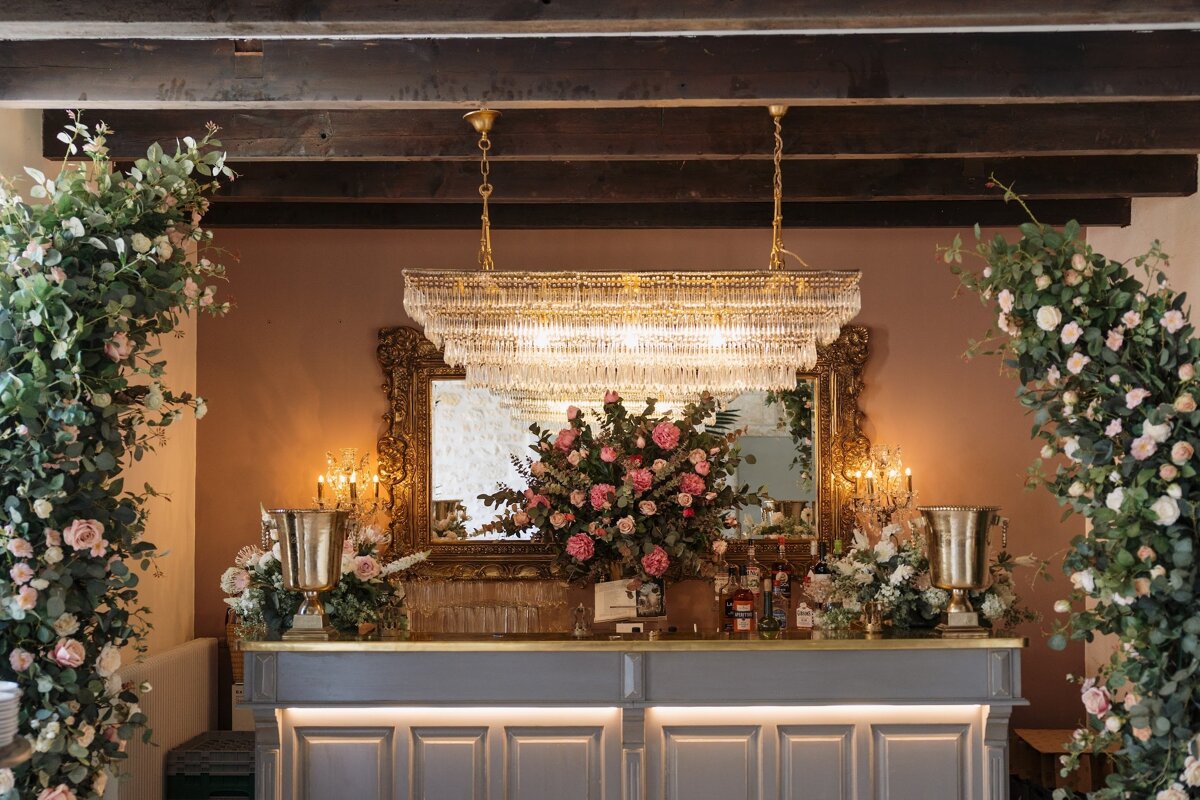


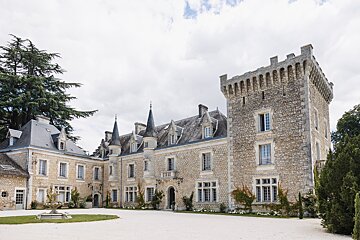
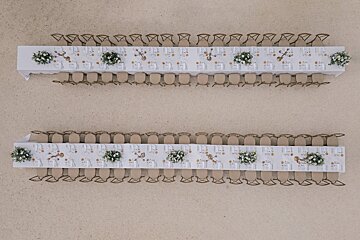
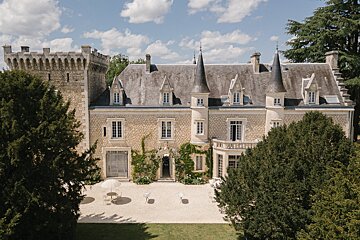
Château de la Couronne is an exclusive venue in the stunning French countryside, offering elegant accommodation and exceptional facilities for luxury weddings and private events.



















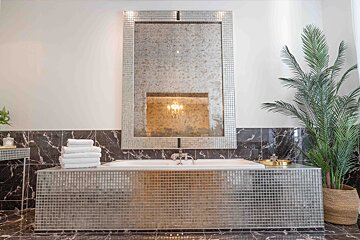


Chateau de la Couronne, Marthon
Luxury château retreat blending historic charm with modern elegance
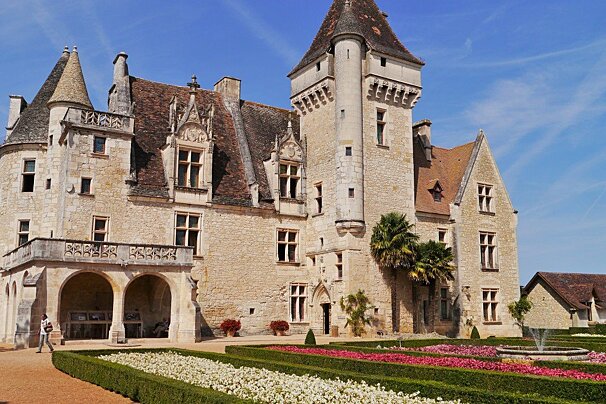
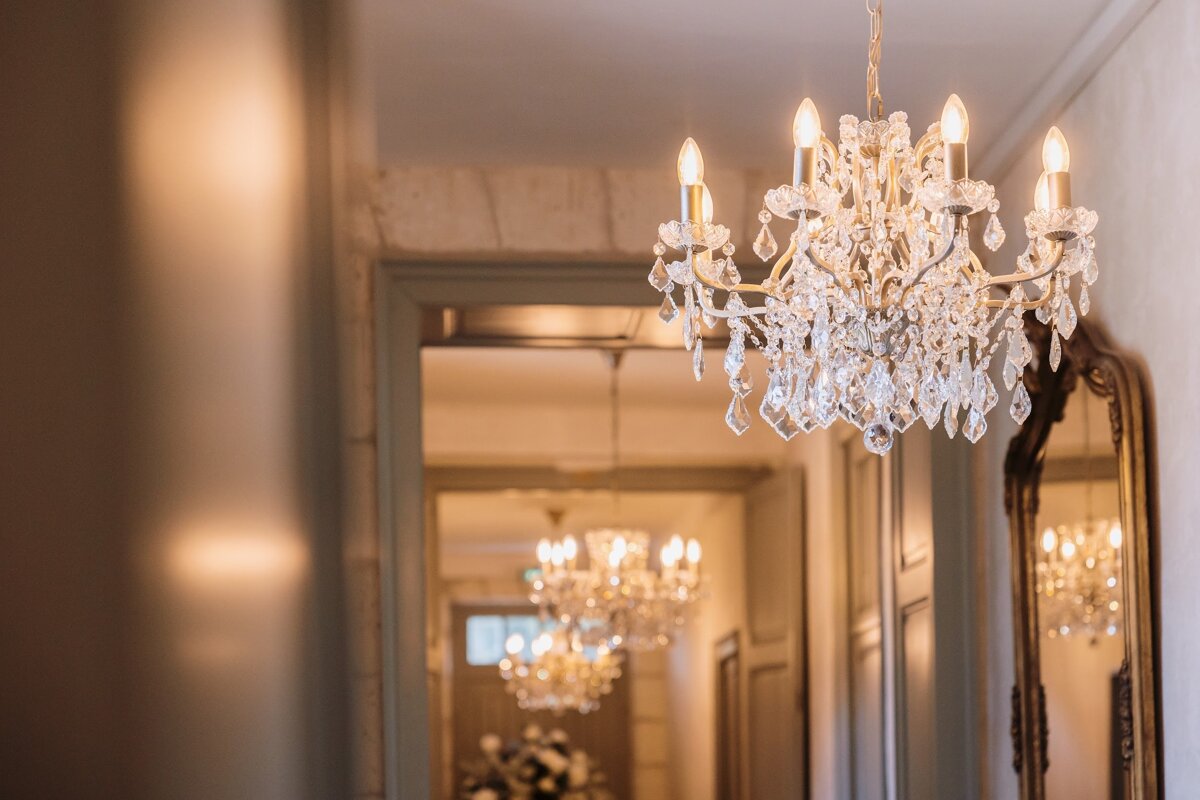
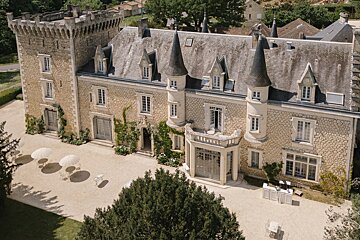
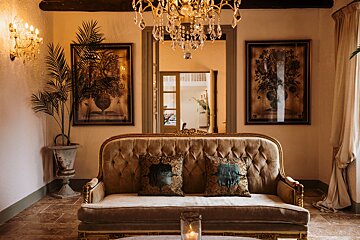
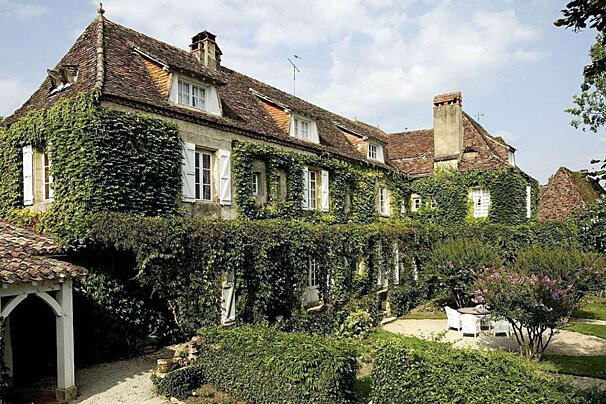
Set on the border of Charente and Dordogne, Château de la Couronne is a breathtaking estate that combines timeless French charm with contemporary luxury. With sixteen beautifully designed bedrooms accommodating up to thirty-nine guests, it provides a refined yet relaxed atmosphere ideal for memorable celebrations.
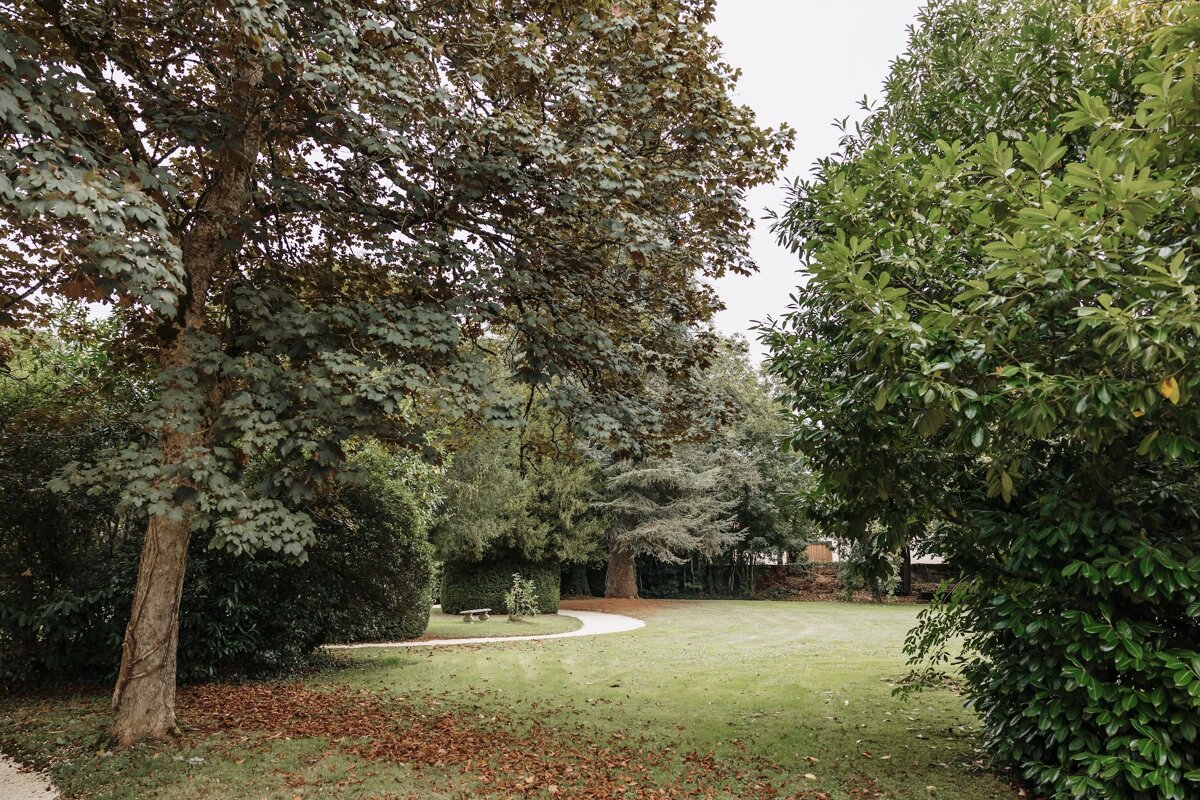
The château is surrounded by five acres of enchanting gardens, featuring fountains, woodlands, and a spacious open area perfect for events or even helicopter landings. Guests can enjoy a large swimming pool, a terrace, a courtyard, and a football pitch for sports and leisure.
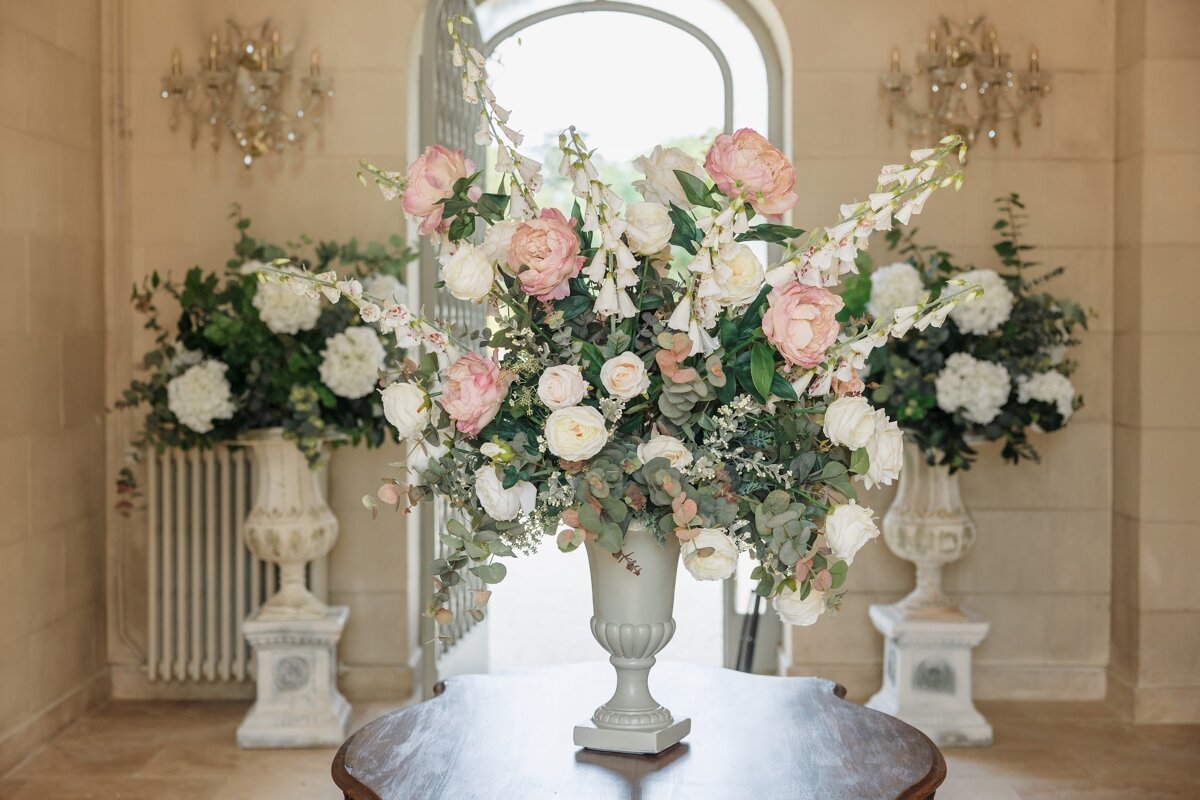
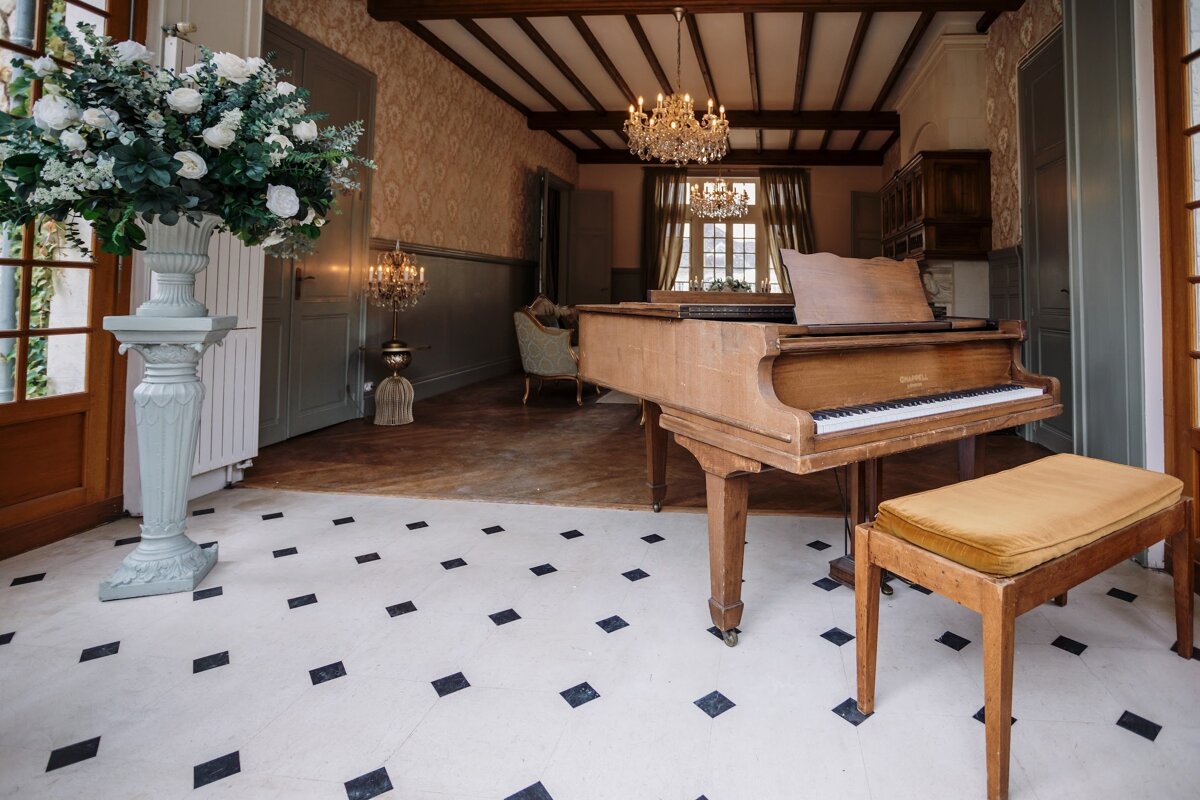
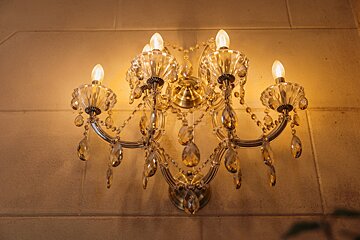
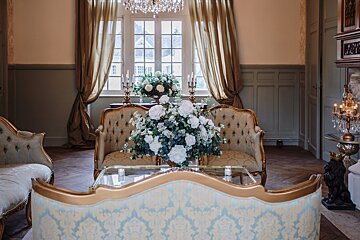
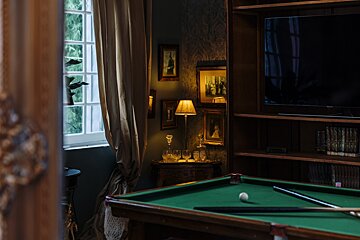
The three-storey château offers nine elegant salons on the ground floor, creating inviting spaces to explore and unwind. Accommodation options include the main château, the Garden Suite, and the Coach House, ensuring comfort and privacy for all guests.
Conveniently located just an hour from the nearest airport and within easy reach of Bordeaux and Paris, Château de la Couronne strikes the perfect balance of seclusion and accessibility, making it a truly unforgettable destination for weddings and private events.
Things to do nearby
Things To Do in Dordogne
See all Things To Do in Dordogne-

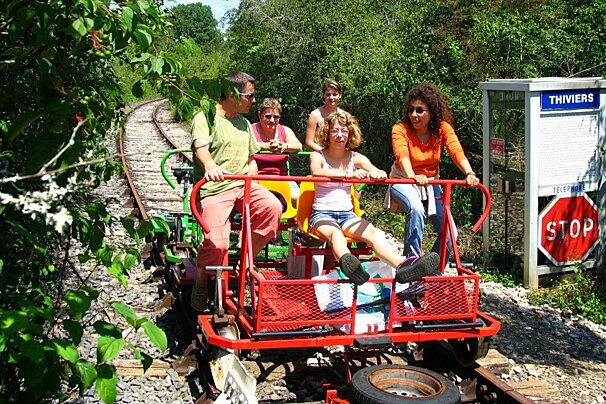
Le Velorail du Perigord Vert, near Thiviers
A unique way to travel with friends & family through this beautiful region
Pedal your way through the countryside on this unique and entertaining mode of transport that will give you a bit of exercise as you enjoy the scenery.
-

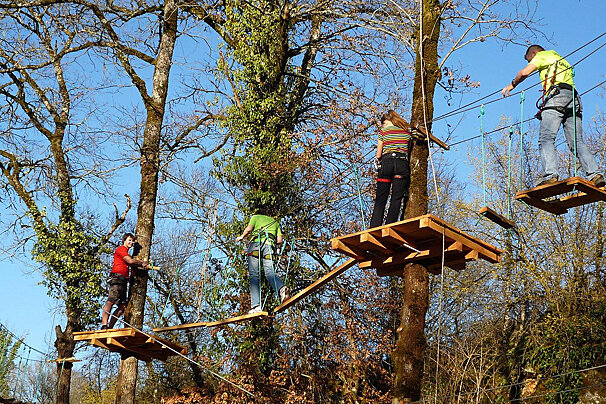
Rocamadour Aventure, Rocamadour
Aerial adventure course in the forests of the Dordogne
Aerial adventures including treetop ladders, zip lines, cave routes and rocks faces to climb. This adventure park offers a mix of everything to keep the whole family entertained.
-

Perigord Dordogne Montgolfieres, Beynac-et-Cazenac
Discover the beautiful landscapes for the Dordogne from the air
Come fly over the Dordogne, Perigord, castles, manors, fortresses, the valleys of the Dordogne and Vézère, discover it in all its charm.
-

Bergerac Wine Tours, Eymet
Wine tasting in the Bergerac wine area of the Dordogne
A full day tour for those interested in wine, the terroir, the makers and other local products of the Dordogne region.
-

Canoes Loisirs Watersports, Vitrac
Kayak & canoe rental on the Dordogne river south of Sarlat
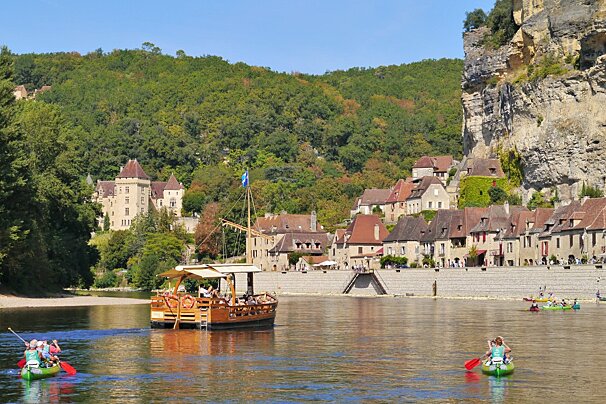
Offering various routes along the Dordogne river to enjoy the sights of the Perigord Noir region. Discover hidden treasures during a relaxing journey down the river.
-

Durandal Vs Excalibur Equestrian Show, Rocamadour
Historical drama told with amazing equestrian acrobatics
An hour long horse show and theatre production that is based on the rivalry between the English and the French with lively, action-packed fun.


Restaurants nearby
Restaurants in Dordogne
See all Restaurants in Dordogne-

La Chartreuse du Bignac Restaurant, St Nexans
Gourmet restaurant with indoor & terrace dining located in an rural 17th century building
The dining rooms allow for views of the surrounding vineyards and rolling hills. Drinks can also be enjoyed in the small library or among the chestnut trees.
-

Hostellerie de Plaisance Restaurant, Saint Emilion
Michelin starred gourmet restaurant overlooking Saint-Emilion
This elegant and sophisticated two Michelin star restaurant offers creative dishes designed by chef Cédric Béchade, who plays with colours and textures in his cuisine.
-

La Toque Blanche Restaurant, Pujols
Michelin-starred restaurant with amazing views.
At this Michelin-starred restaurant, the chef, Jean-Baptiste Fabre, will introduce you to authentic cuisine based on the taste and flavours of seasonal produce. The restaurant has an exceptional position, offering a panoramic view of the 18th century medieval village of Pujols.
-

Moulin de Varen Restaurant, Varen
Restaurant in converted mill
Converted mill located in a small village typical of the area. Set on the banks of the Aveyron, sit back and watch the heron fish whilst you enjoy your meal.
-

Jehan de Valon Restaurant, Rocamadour
Elegant restaurant with panoramic views
Restaurant within l'Hotel Beau Site located at the heart of the mediaeval village of Rocamadour.
-

Le Vieux Logis Restaurant, Tremolat
Michelin star perfection in former tabacco drying house
Stone walls, high ceilings, charming surroundings and elegant table settings lure you into the restaurant, with precise modern day interpretations of classic regional food, made from the finest local produce.


Sights nearby
Sights in Dordogne
See all Sights in Dordogne-
Abbaye d'Echourgnac
Cheese-making convent
This area was settled by monks in the late 19th century when Napoleon III decided to drain the marshlands in the area. It was established as an abbey in 1876 and the monks began making cheese to make the farm profitable. The community dispersed in the early 20th century but the site was reoccupied by a community of nuns of Espira Agly who were returning from Herrera in Spain. The nuns live under a vow of silence and have restarted the monks' cheese-making business. The abbey itself cannot be visited but they have a good shop selling cheese and confectionary from other missionaries.
-

Chateau de Bourdeilles, Bourdeilles
Medieval and Renaissance châteaux combined
This château is the combination of two castles, a medieval one dating to the 13th century and a Renaissance palace dating to the 16th century.
-

Abbaye de Brantome, Brantome
Remains of an 8th century Benedictine monastery in Brantome
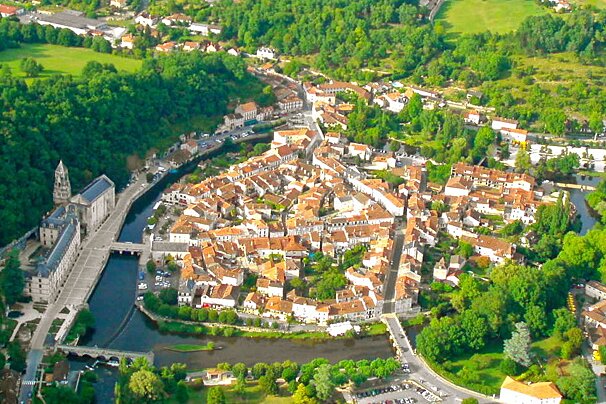
With one of the oldest bell towers in France this abbey is set into the cliff face and overlooks the Dronne river, a beautiful centre piece to this delightful town.
-

Les Grandes Murailles (The Great Wall), Saint Emilion
Last remaining wall of a 12th-century Dominican monastery
The great wall, or Grandes Murailles, is now all that remains of a once Dominican monastery that was built in the 12th-century.
-

Cardinal Palace ruins, Saint Emilion
Luxury home to Gaillard de la Mothe, Cardinal of Sainte Luce
Gifted to Gaillard de la Mothe by his uncle Bertrand de Goth, Archbishop of Bordeaux, who later became Pope Clement V, the Cardinal Palace sits at the entrance to the city of Saint Emilion.
-

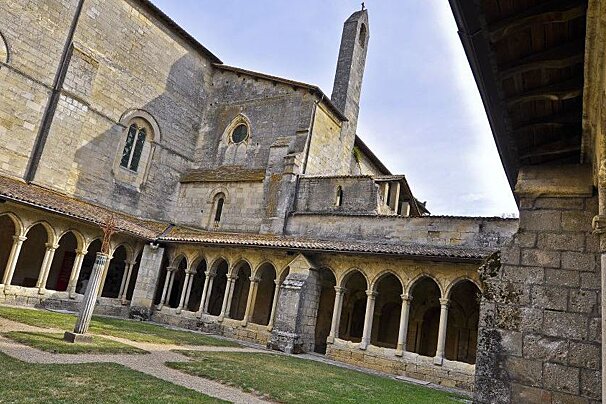
Eglise Collegiale et le Cloitre, Saint Emilion
12th-century Romanesque church & cloisters
Built between the 12th & 15th centuries, this church is one of the largest in Gironde. It's design is both Romanesque and Gothic, showing how it has been remodelled and renovated throughout history.


Towns nearby
Towns & Villages in Dordogne
See all Towns & Villages in Dordogne-

Brantôme, Perigord Vert
A pretty town in the north of Dordogne, above the city of Perigueux
Located on an ancient Roman road, the town of Brantôme on the Dronne river is centred around its 8th century Benedictine abbey.
-

Saint-Emilion, Gironde
One of the most beautiful villages in France and fabulous wines
Vineyards were planted around this old town in Roman times and whilst most people associate the name with the wine, the town itself is worth a visit for its ramparted old centre with interesting Romanesque churches and an incredible underground monolithic church.
-

Castillon-la-Bataille
Lively market town and the site of the last battle of the Hundred Years' War in 1453
You get a sense of this town's history as soon as you arrive, with are flags and coats of arms lining the roads that lead you to the main square.
-

Sainte-Foy-la-Grande, Gironde
A medieval Bastide town on the eastern border of the Gironde and Dordogne
Sainte-Foy-la-Grande sits on the south bank of the Dordogne river. This attractive walled bastide town still has some of its medieval houses and is a good base for visiting the surrounding Sainte-Foy-Bordeaux wine region and nearby Château de Montaigne, home of Michel de Montaigne.
-

Bergerac, Perigord Pourpre
On the banks of the River Dordogne nearly 120km east of the city of Bordeaux
The largest town in the area, Bergerac, still retains a quaint old feel, with a change in pace in the summer months.
-

Couze-et-Saint-Front, Perigord Pourpre
Sitting on the Dordogne and Couze rivers, east of Bergerac
Couze used to be a paper-making village and a number of its old mills are still in existence, using the power of the Couze river to turn the water wheel.