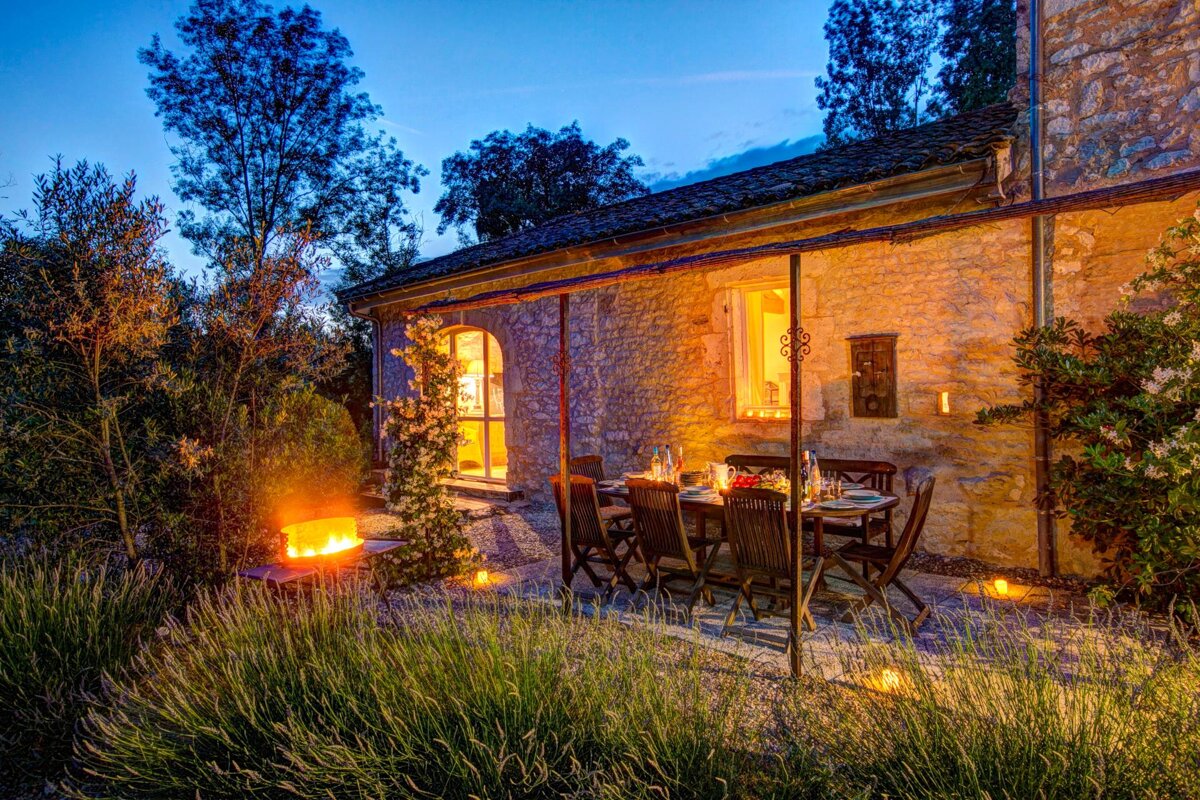

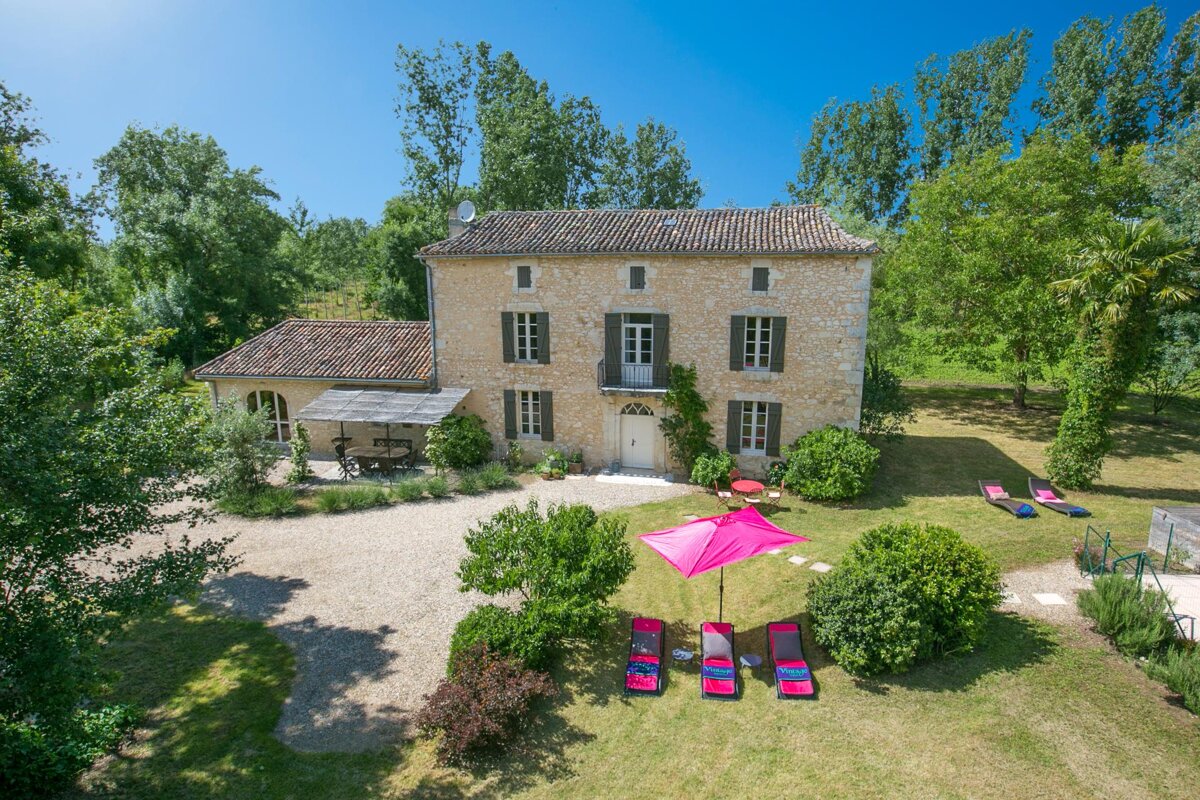


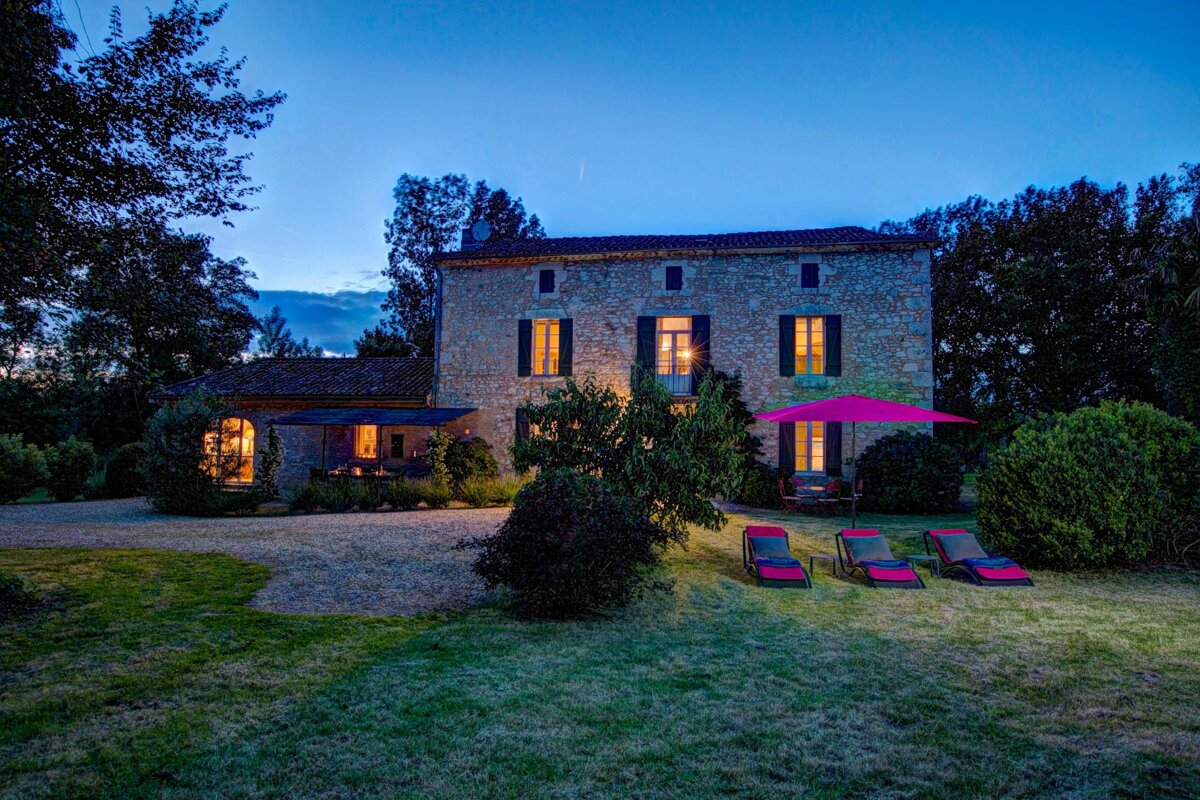





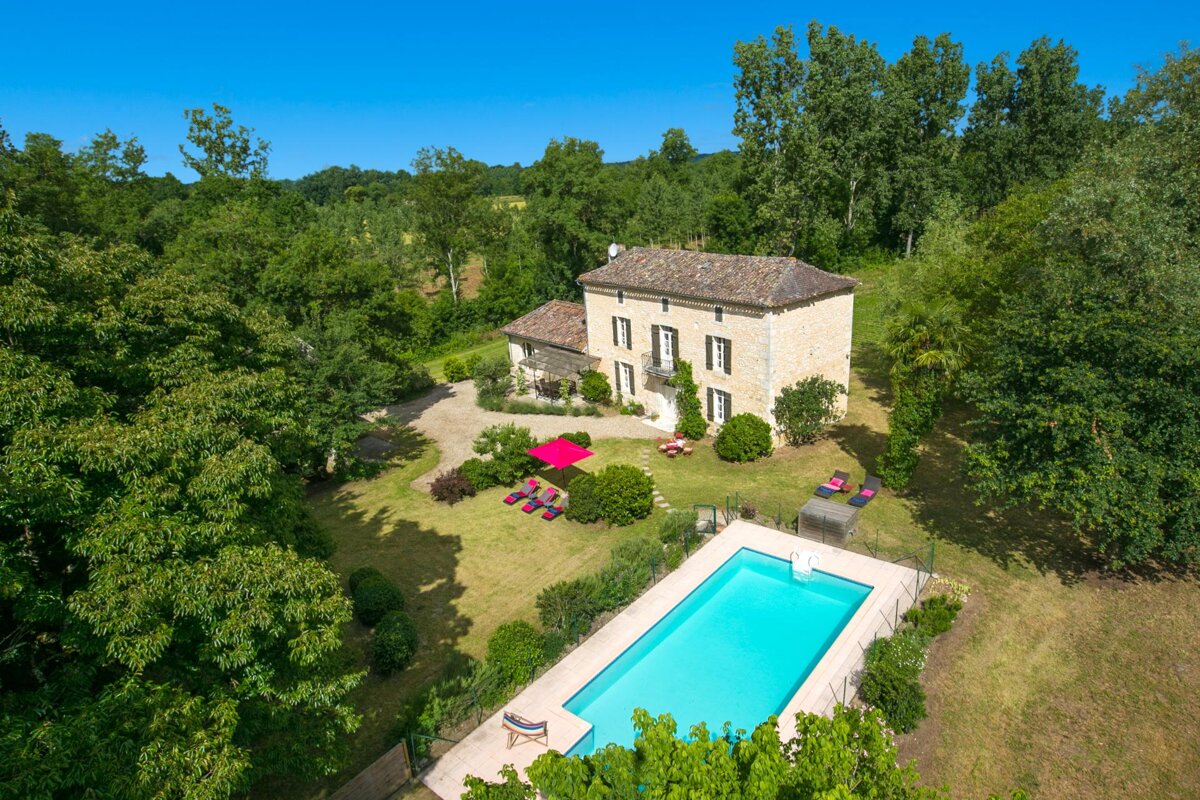


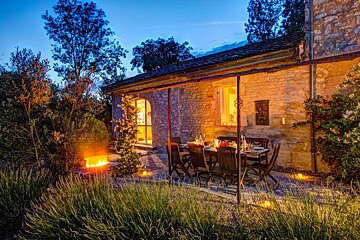
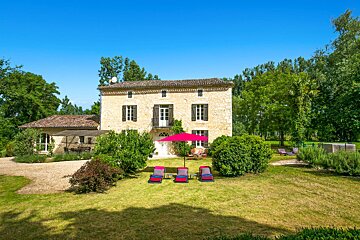
Enjoy French country living at La Castille, a beautifully restored 18th Century stone bastide which offers charm and style in abundance, in an area renowned for delicious food and wine. La Castille is the sister property to La Perigourdine and La Petite Maison.






La Castille Villa, Castillonnès
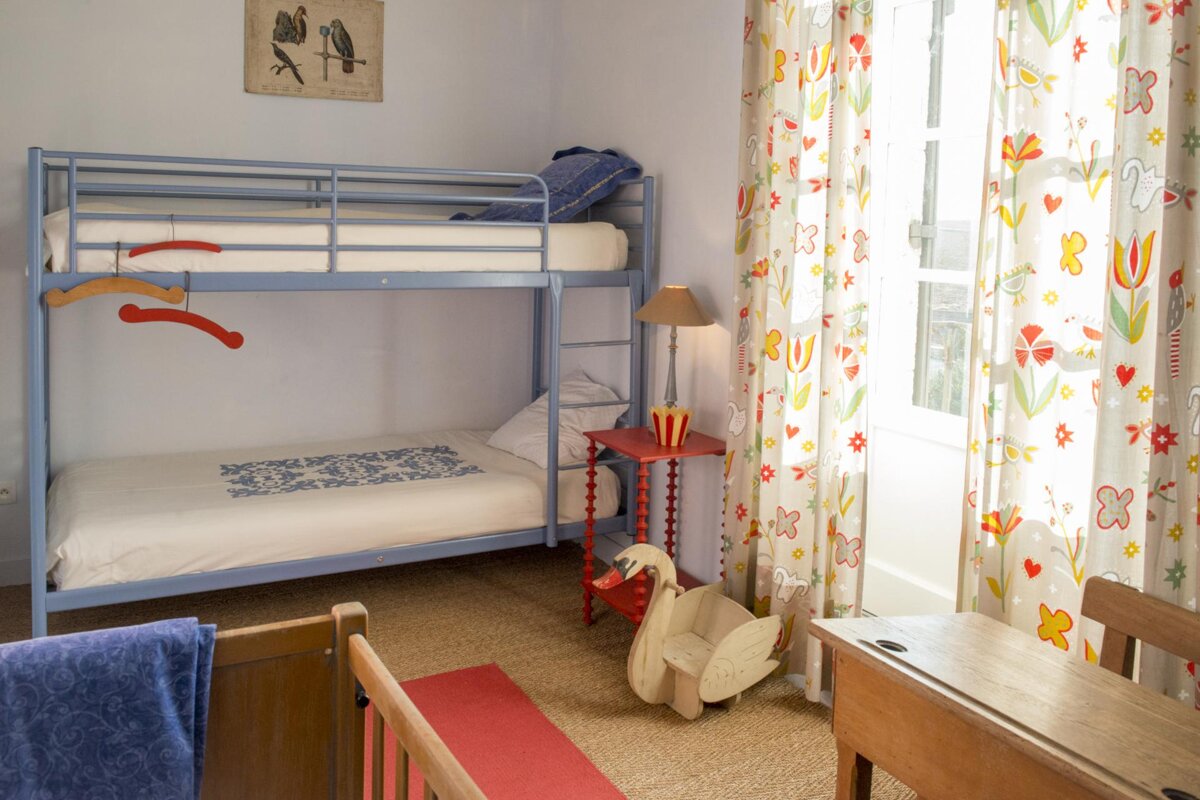
5 bedroom Villa in Dordogne. Sleeps 8
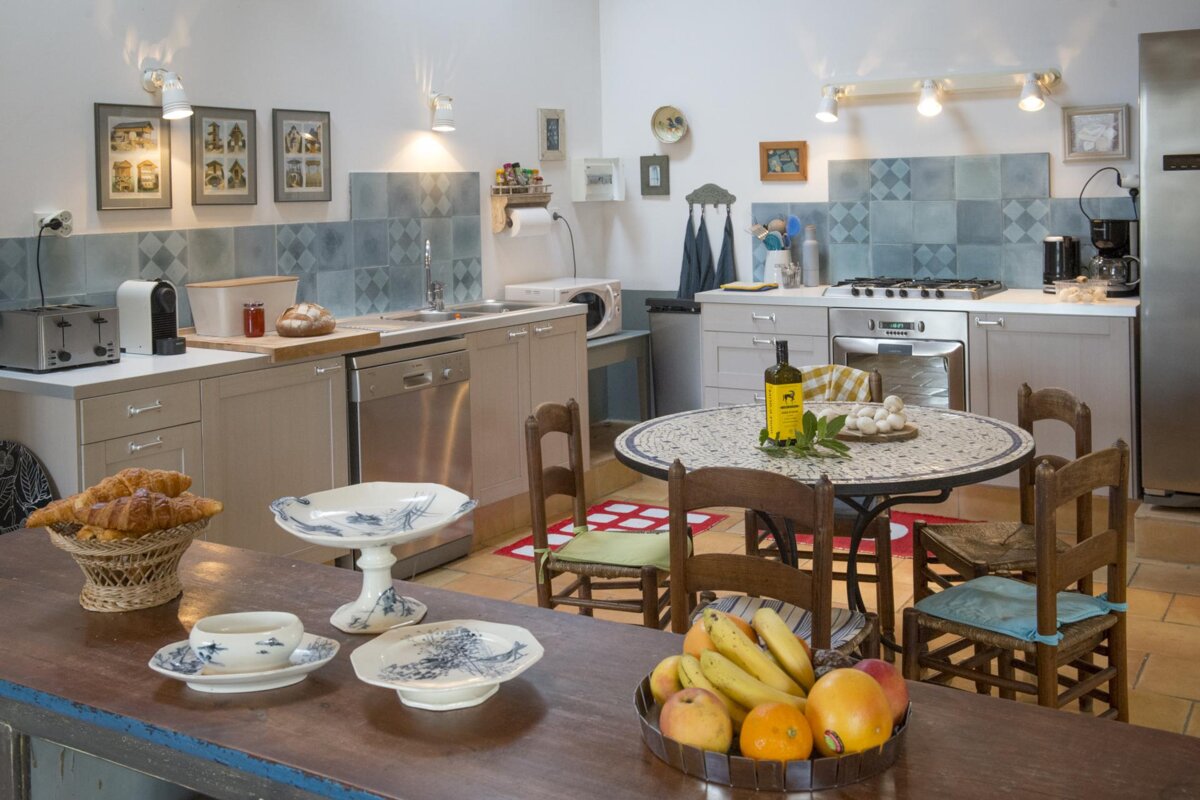
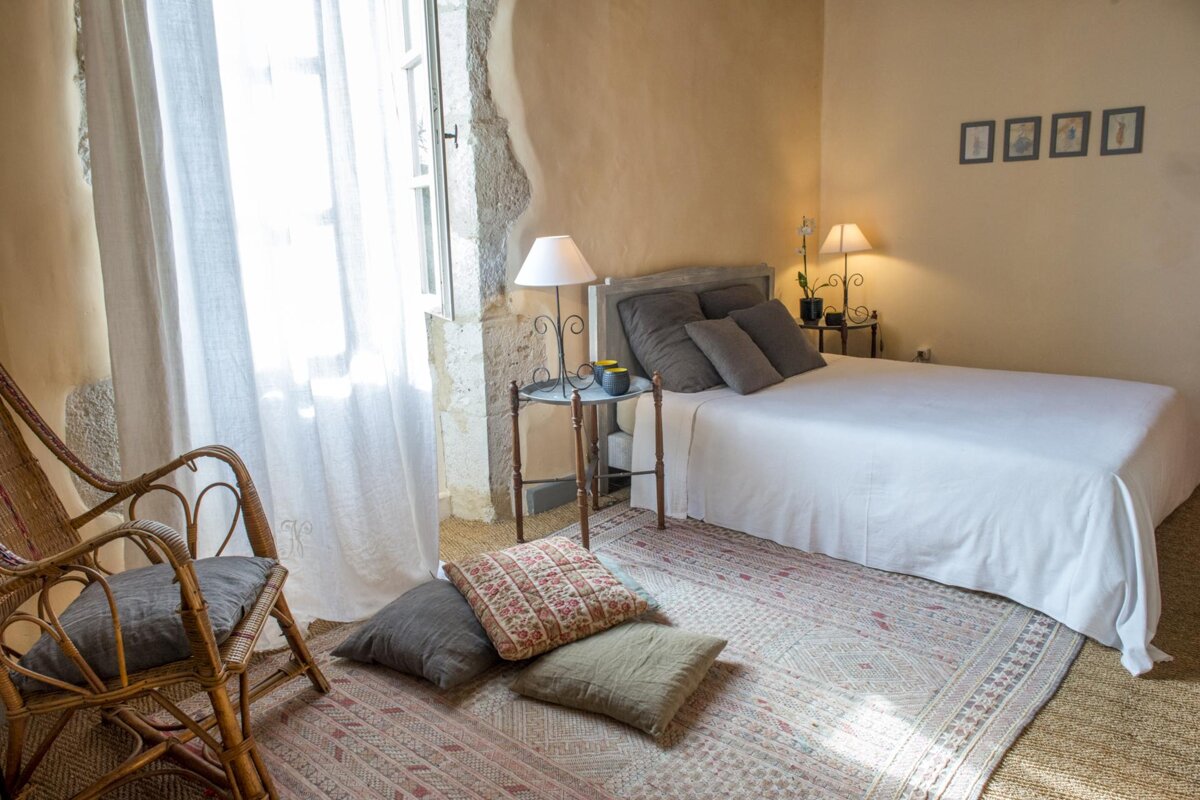
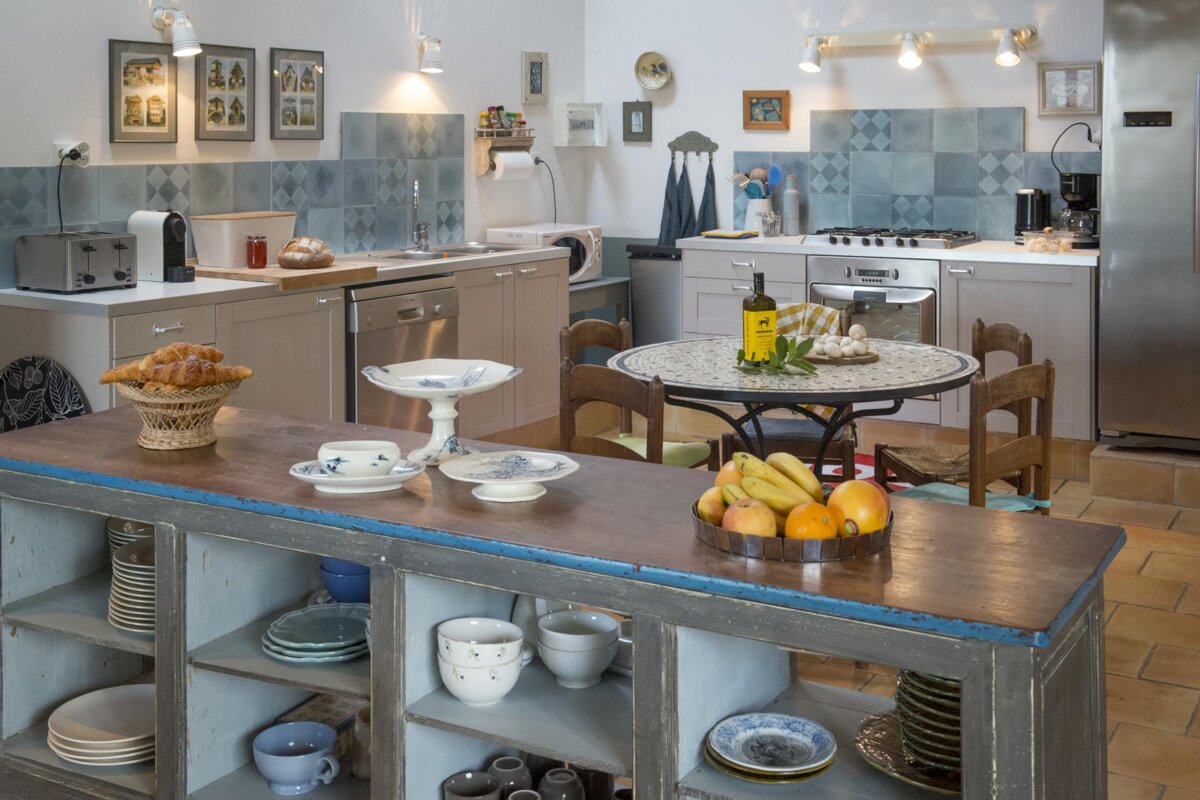
An elegant balance of soft linens and rustic pieces carefully sourced from local 'brocantes', with a colour palette inspired by nature, the interior of La Castille could easily grace the pages of any French country chic magazine. Yet rest assured, the focus is on relaxed holiday living. The gorgeous kitchen/diner, flooded with light, is well-equipped, ensuring that self-catering becomes a delight, not a chore. The living room, with its plump sofas and calming colours, is an open invitation to relax.
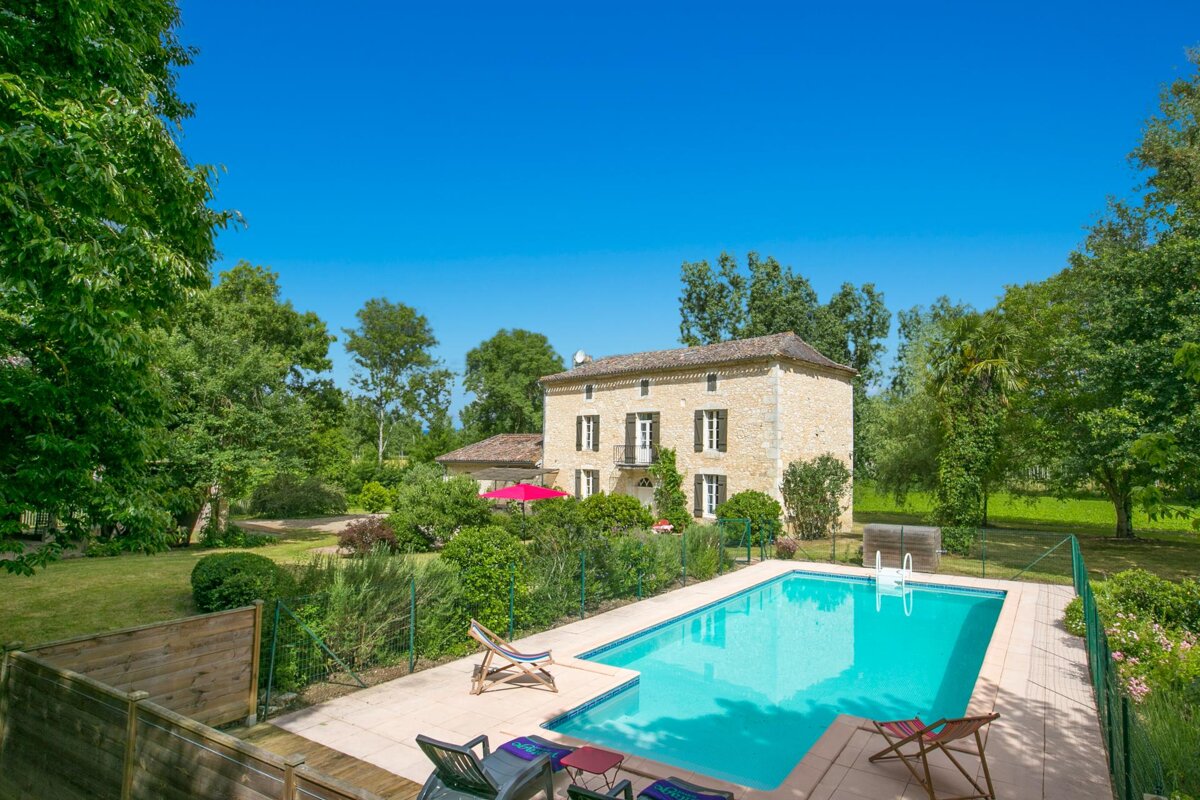
From the kitchen, double doors open to the garden, which boasts dedicated areas for dining al fresco. The fenced pool sits to one side, complete with a decked area for sun loungers, and is surrounded by an open garden leading onto fields and woodland.
Beyond these natural boundaries lies the road to Bergerac (23km) and Castillonnes (3km). Castillonnes can also be reached by way of a country footpath (2.6km), which brings you into the heart of the town and its selection of restaurants and shops.
The area surrounding La Castille is perfect for languid sightseeing—an idyllic landscape between the Rivers Dordogne and Lot, where vineyards and charming bastide villages abound. Spend the morning exploring Issigeac (10km), Eymet (18km), or Beaumont-du-Perigord (25km), and the afternoon discovering the wines of the region (Monbazillac, Pecharmant, Saussignac, to name a few). For those with a sudden burst of energy, head to the lake at Lougratte (15km) for activities such as swimming, canoeing, pedalos, and beach volleyball.
The pool
Private fenced swimming pool (10m x 5m).
Things to do nearby
Things To Do in Dordogne
See all Things To Do in Dordogne-

Durandal Vs Excalibur Equestrian Show, Rocamadour
Historical drama told with amazing equestrian acrobatics
An hour long horse show and theatre production that is based on the rivalry between the English and the French with lively, action-packed fun.
-

Le Petit Train de Rocamadour, Rocamadour
Train tour from the car park to the centre of Rocamadour
In true French style Le Petit Train will take you on your short journey from the bottom of Rocamadour to the town centre above you.
-

Foret des Singes Wildlife Park, Rocamadour
See the endangered Barbary Macaque roaming in this wildlife park
This wildlife park is dedicated to the Barbary Macaque monkey who roams free in the 20 hectares of woodland.
-

Aquarium du Perigord Noir, Le Bugue
The biggest fresh water aquarium in Europe is in Le Bugue
A great place for a family day out and to escape the pre-historic world of the Dordogne...instead, enjoy the family atmosphere and displays of this fresh water aquarium.
-

AVCK (Animation Vezere Canoe Kayak), Les Eyzies-de-Tayac
Explore the Vézère valley from the peace & tranquillity of the river
This area provides water-sports for all ages. Renowned for its architectural heritage and sites of natural beauty, you will find that paddling is a great way to relax and have fun whilst enjoying the scenery.
-

Traditional Barge Boat Trip, La Roque-Gageac
30 person boat trip with commentary
Travel along the valley of the five chateaux on traditional barges and discover some of the most beautiful sites.


Restaurants nearby
Restaurants in Dordogne
See all Restaurants in Dordogne-

La Chartreuse du Bignac Restaurant, St Nexans
Gourmet restaurant with indoor & terrace dining located in an rural 17th century building
The dining rooms allow for views of the surrounding vineyards and rolling hills. Drinks can also be enjoyed in the small library or among the chestnut trees.
-

Hostellerie de Plaisance Restaurant, Saint Emilion
Michelin starred gourmet restaurant overlooking Saint-Emilion
This elegant and sophisticated two Michelin star restaurant offers creative dishes designed by chef Cédric Béchade, who plays with colours and textures in his cuisine.
-

La Toque Blanche Restaurant, Pujols
Michelin-starred restaurant with amazing views.
At this Michelin-starred restaurant, the chef, Jean-Baptiste Fabre, will introduce you to authentic cuisine based on the taste and flavours of seasonal produce. The restaurant has an exceptional position, offering a panoramic view of the 18th century medieval village of Pujols.
-

Bistrot de la Place Restaurant, Tremolat
Bistrot simplicity paying homage to its heritage
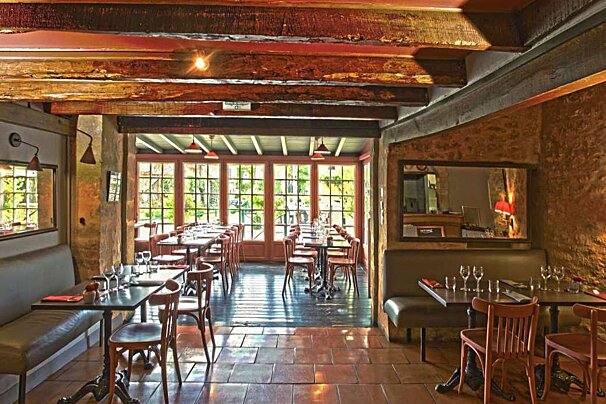
Located 50 yards from the Vieux Logis Hotel, the Bistrot de la Place has exposed wooden beams, simple yet effective place settings and makes you feel immediately comfortable in the fuss free, cosy setting in the centre of Trèmolat.
-

Manoir d'Hautegente Restaurant, Saint-Amand-de-Coly
Traditional gastronomy meets modern flair in beautiful location
The restaurant of this excellent 4-star hotel is one of the best in the region. The manor building is set in beautiful grounds, and chef, Ludovic Lavaud, harmoniously matches local products and traditional cuisine with a touch of oriental perfume. The cave is exceptional too.
-

L'Esplanade Restaurant, Domme
Great truffle specialities
Perched on a cliff, the Hôtel l'Esplanade has a great setting with good rooms and more importantly, a fantastic restaurant.




Sights nearby
Sights in Dordogne
See all Sights in Dordogne-

Labyrinthe Vegetal, Bergerac
Giant maze & family games close to Chateau Bridoire
A magical world located in the heart of the 'Purple Perigord', hosted by the fairy mothers and created from fields of maize you can lose yourself here for hours.
-

Chateau de Bridoire, Bergerac
Known as the Castle of Games, this chateau is south of the town of Bergerac
Now privately owned by restoration aficionados Catherine and Jacques Guyot, this castle has been partially restored and opened for the public to enjoy.
-

Chateau de Monbazillac, Monbazillac
16th century château surrounded by vineyards
This 16th-century château combines medieval defensive fortifications and Renaissance exuberance.
-

Chateau de Lanquais, Couze-et-Saint-Front
Medieval & Renaissance style chateau in the heart of Dordogne
Self-titled as the "Unfinished Louvre in Périgord", this château combines medieval fortifications with an incomplete Renaissance palace.
-

Moulin de la Rouzique Papermaking Mill & Museum, Couze-et-Saint-Front
Paper-making mill & museum in the pretty village of Couze-et-Saint-Front
In the paper-making village of Couze-et-Saint-Front, this traditional mill still makes paper by hand.
-

Chateau de Biron, Biron
Huge château owned by the Gontaut-Biron family
Perched high on a hill, this huge château was built and owned by the Gontaut-Biron family until the 20th century. Today is contains a mix of architectural styles, extravagant Renaissance and Gothic features combining with medieval. It has an interesting two-level chapel dating from the 14th century. The châeau is often used in period dramas and films.


Towns nearby
Towns & Villages in Dordogne
See all Towns & Villages in Dordogne-

Eymet, Perigord Pourpre
Very popular Bastide town to the south of Bergerac in the Perigord
Very much a textbook bastide village, it's laid out in a grid fashion around a central square. Eymet, as it exists today, was founded by Alphonse de Poitiers in 1270.
-

Couze-et-Saint-Front, Perigord Pourpre
Sitting on the Dordogne and Couze rivers, east of Bergerac
Couze used to be a paper-making village and a number of its old mills are still in existence, using the power of the Couze river to turn the water wheel.
-

Bergerac, Perigord Pourpre
On the banks of the River Dordogne nearly 120km east of the city of Bordeaux
The largest town in the area, Bergerac, still retains a quaint old feel, with a change in pace in the summer months.
-

Lalinde, Perigord Pourpre
The first English bastide town and an important historical military site
Founded in 1261, Lalinde was the first English bastide. Situated on the banks of the Dorgdogne, the town is also crossed by the Canal de Lalinde, constructed to bypass the dangerous rapids of Grand Thoret.
-

Cadouin, Perigord Noir
Pretty medieval village featuring a 12th Century abbey in the east of the Dordogne
A small but beautiful medieval village built around the Cadoudin Abbey, constructed by the Cistercians in the 12th century. It's situated very close to the neighbouring larger town of Le Buisson de Cadouin
-

Trémolat, Perigord Noir
Charming village set amongst the green fields and vineyards of Bergerac
Trémolat was originally home to a 6th century hermit, Saint-Cybard, before monks built their monastery here in the 9th century.