Bergerac Wine Tours, Eymet
A full day tour for those interested in wine, the terroir, the makers and other local products of the Dordogne region.
French and Spanish fusion at this chic château
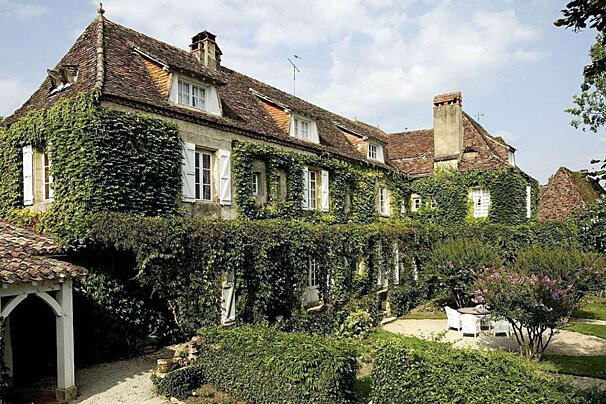
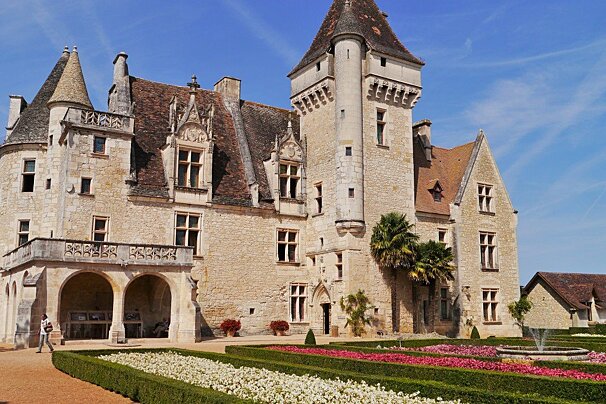
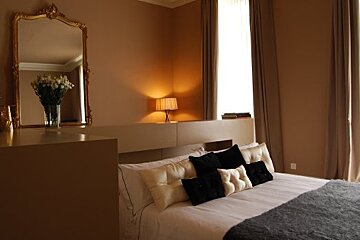
The white brick, red timber frames and slate roofs of this gorgeous château make an impressive impact. Inside it has been converted into a sleek and chic boutique hotel, which fabulously mixes the old features of the château with the modern interior design.
The château is surrounded by organic growers and producers, the restaurant combines the culinary tradition of the Dordogne with those of the owner's Hispanic roots all served with a modern twist.
A full day tour for those interested in wine, the terroir, the makers and other local products of the Dordogne region.
Hire a canoe or kayak from this company and you can enjoy a gentle river cruise and the chance to explore the wonderful Dordogne river and its banks.
A relatively small theme park but with a great atmosphere, plenty to do and a good day out for all of the family.
Just 5 minutes from Cahors, in Pradines, there are a multitude of activities on offer from acrobatic courses in the trees, to paintball, kayaking, hiking, orienteering and much much more.
Offering various routes along the Dordogne river to enjoy the sights of the Perigord Noir region. Discover hidden treasures during a relaxing journey down the river.
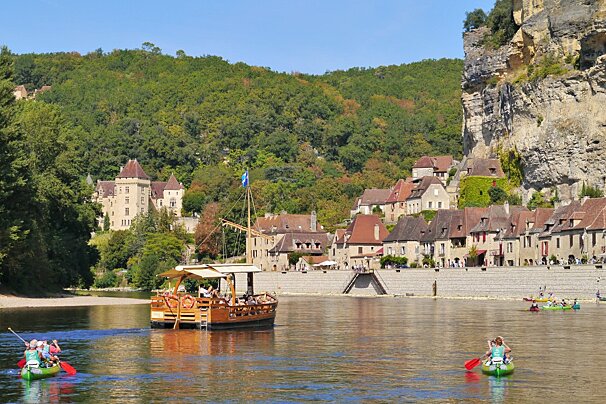
This traditional wooden barge will take you on a picturesque cruise down the river Dordogne from La Roque-Gageac to the Castelnaud bridge.
The dining rooms allow for views of the surrounding vineyards and rolling hills. Drinks can also be enjoyed in the small library or among the chestnut trees.
This elegant and sophisticated two Michelin star restaurant offers creative dishes designed by chef Cédric Béchade, who plays with colours and textures in his cuisine.
Within the hotel grounds of the picture perfect Moulin de l'Abbaye hotel, set alongside the River Dronne and with a dining room oozing class and a waterside terrace with shaded trees, it would be difficult to find a spot in the world more idyllic than this!
Part of the successful Edward 1er Hotel, the restaurant has a lot to live up to. Welcoming and professional staff greet you into the small 28 seat dining room and you are sure to be delighted by the experience and attention to detail from start to finish.
Founded in 1848, this restaurant is one of the oldest in the town of Saint-Émilion, a UNESCO World Heritage site. French creative cuisine is served in its terrace and three dining rooms, accompanied by wines from the region.
In the charming little village of Saint Andre de Najac, this charming hotel-restaurant offers fine dining, relaxation and nature.
Situated in one corner of the main square in Sainte-Foy-la-Grande, facing the Mairie (town hall), this church has an imposing steeple that reaches high about the streets.
The creation of Wine and River Transport Museum (Musee du Vin & de la Batellerie ) tells us about the heritage and history of the Dordogne River that runs through the heart of Bergerac.
The Saint-Jacques church sits at the top of a lovely square overlooking the historic centre of the city.
This 19th century church was constructed when the expanding city required somewhere larger to house the congregation.
The Wine Centre (Maison des Vins) is right in the historic heart of Bergerac, in the Récollets Cloisters, a magnificent group of monastic buildings from the 17th-century.
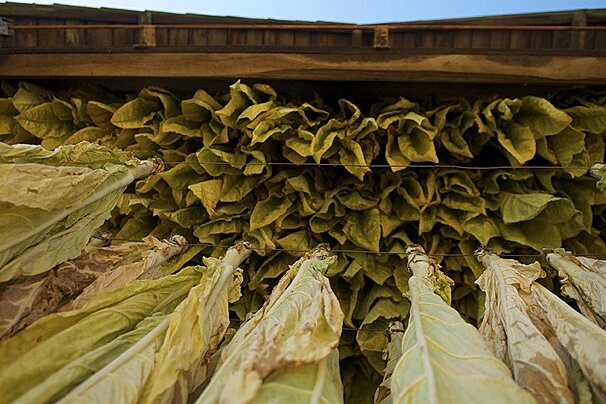
Housed in the Maison Peyrarède, the tobacco museum in Bergerac tells the 4,000 year history of tobacco growth in the region when it used to be a major crop.
Sainte-Foy-la-Grande sits on the south bank of the Dordogne river. This attractive walled bastide town still has some of its medieval houses and is a good base for visiting the surrounding Sainte-Foy-Bordeaux wine region and nearby Château de Montaigne, home of Michel de Montaigne.
The largest town in the area, Bergerac, still retains a quaint old feel, with a change in pace in the summer months.
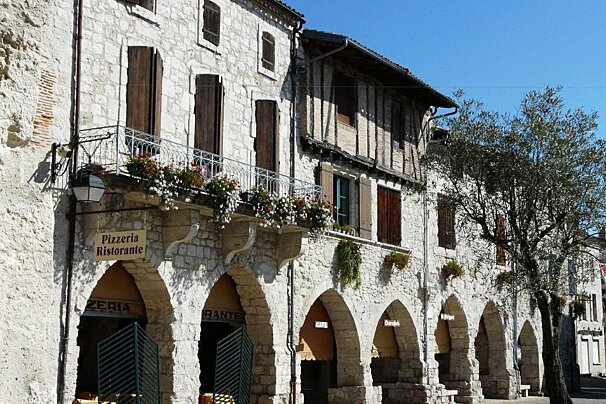
Very much a textbook bastide village, it's laid out in a grid fashion around a central square. Eymet, as it exists today, was founded by Alphonse de Poitiers in 1270.
You get a sense of this town's history as soon as you arrive, with are flags and coats of arms lining the roads that lead you to the main square.
Couze used to be a paper-making village and a number of its old mills are still in existence, using the power of the Couze river to turn the water wheel.
Founded in 1261, Lalinde was the first English bastide. Situated on the banks of the Dorgdogne, the town is also crossed by the Canal de Lalinde, constructed to bypass the dangerous rapids of Grand Thoret.